
Wingstem + Ironweed and Friends






Wingstem + Ironweed and Friends
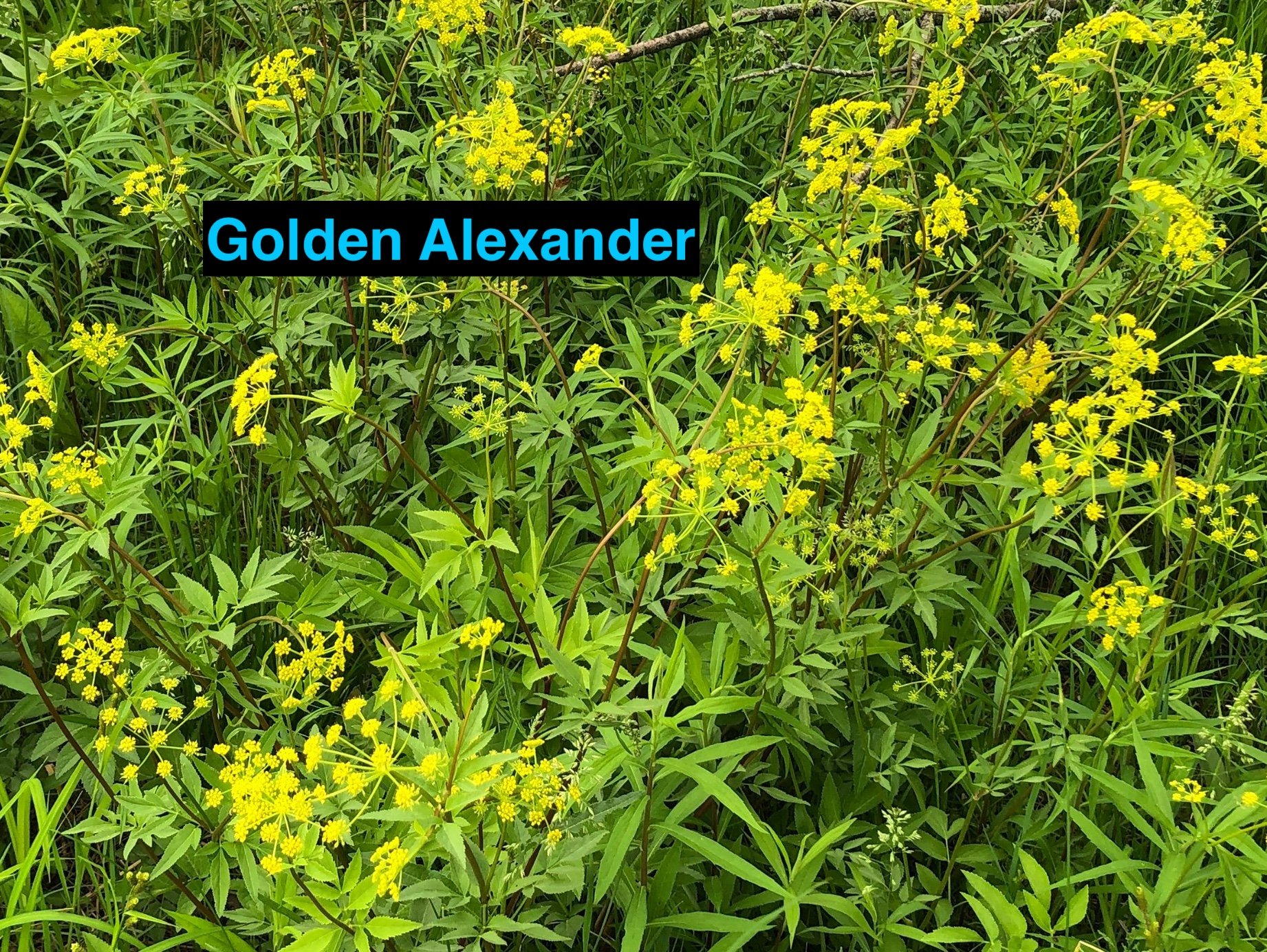
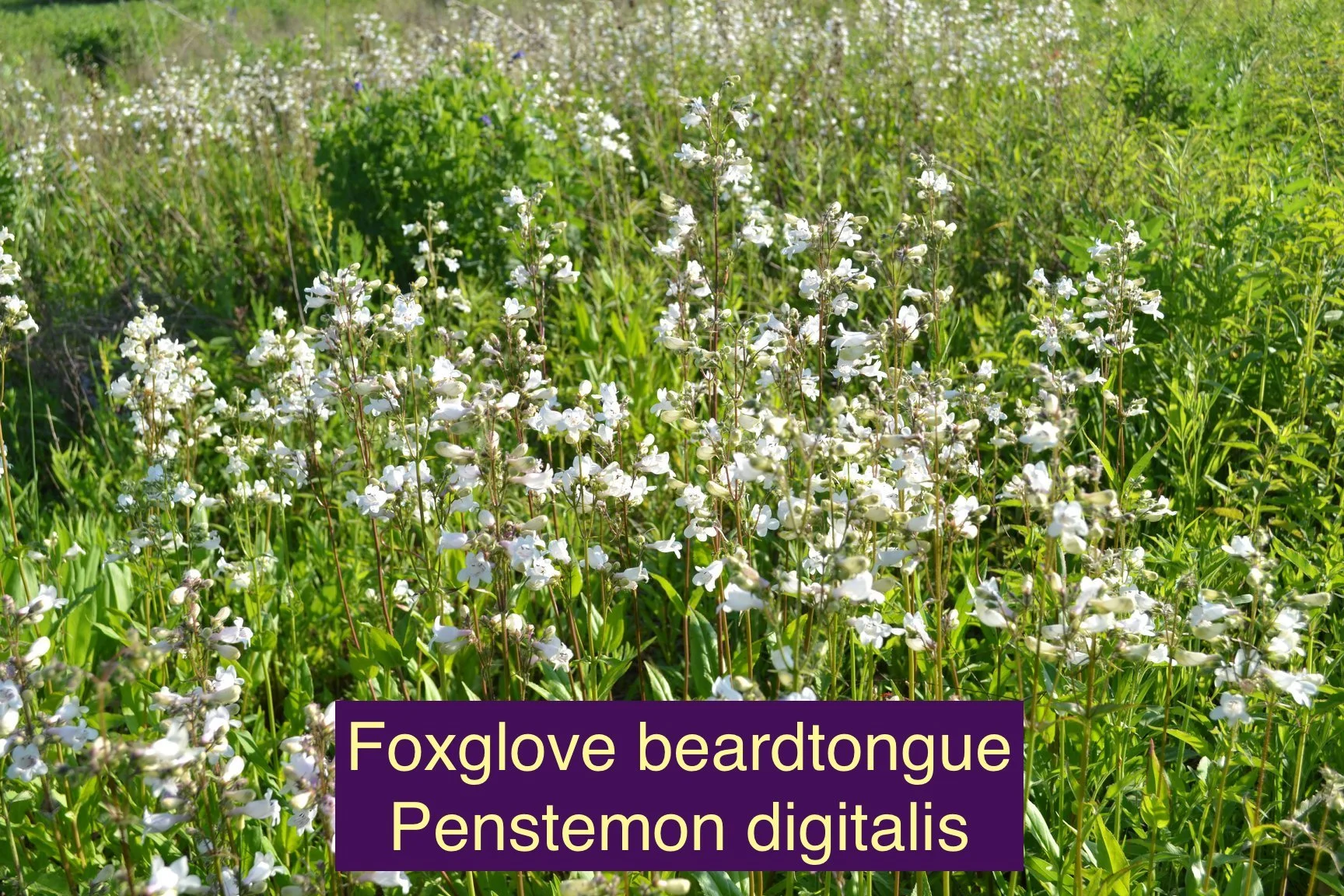
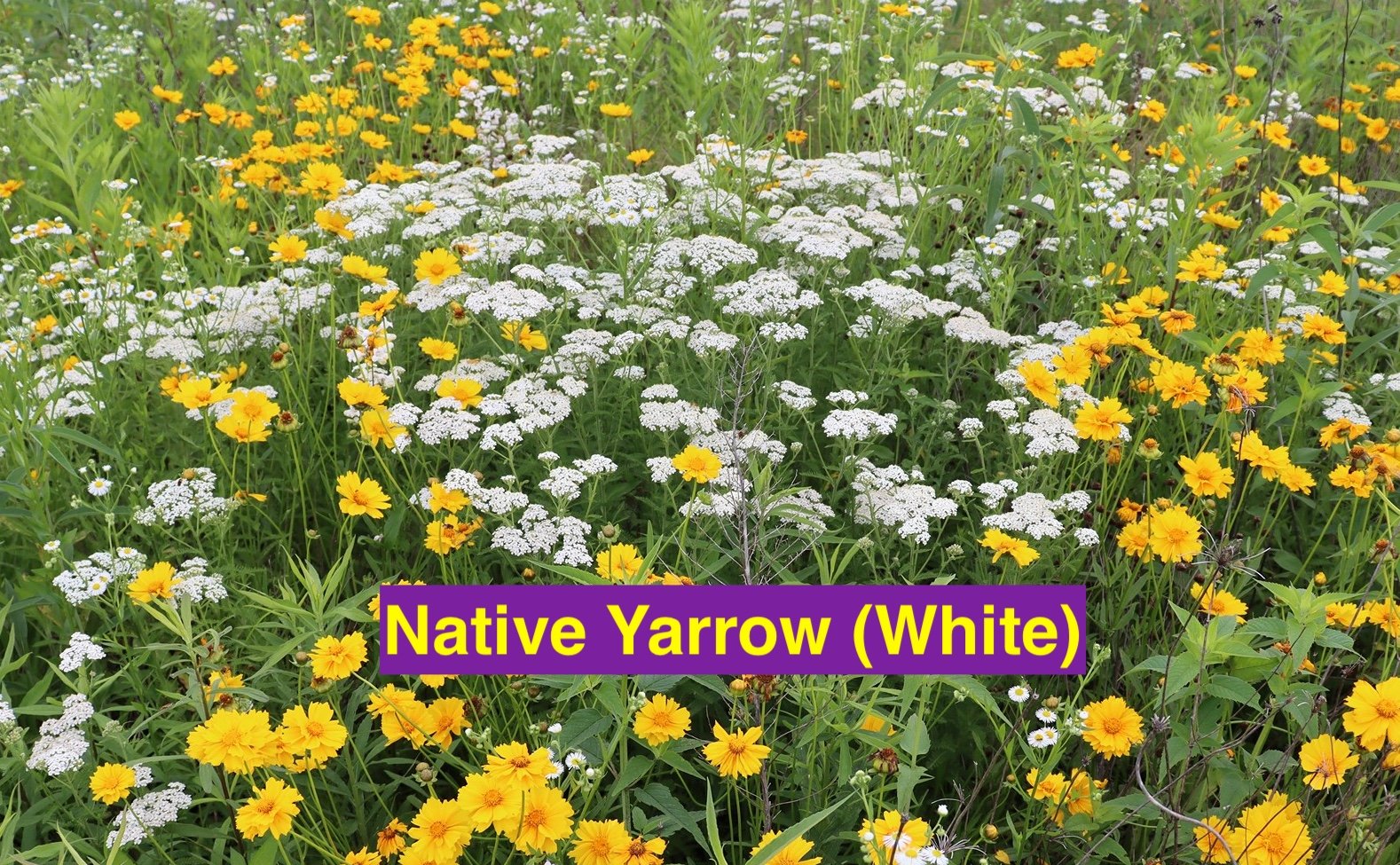
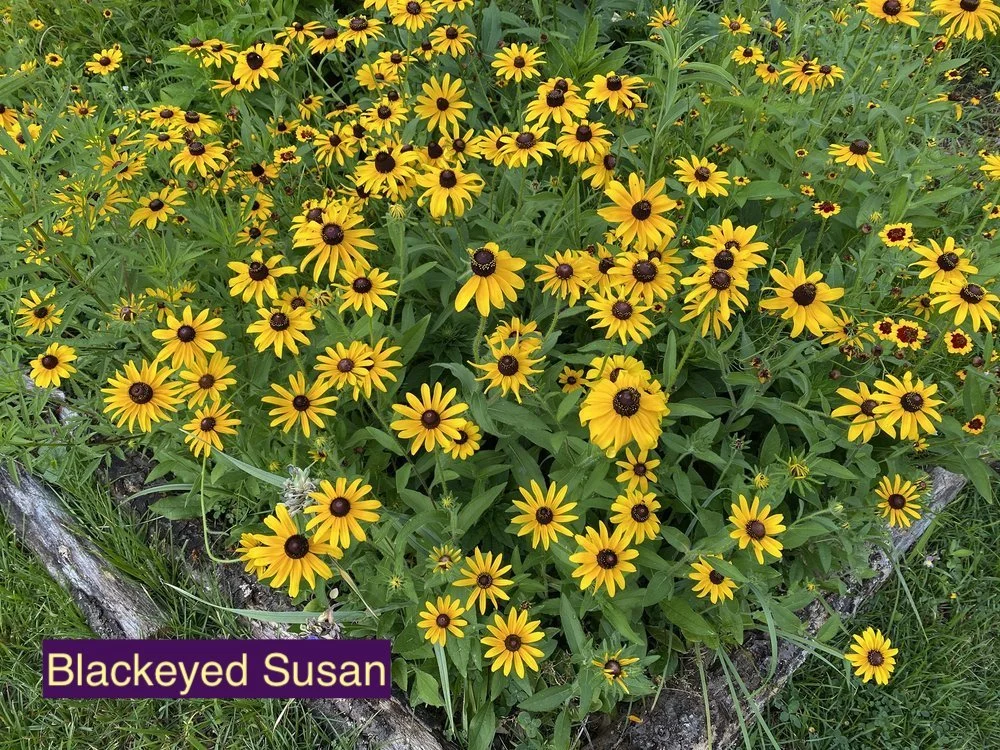
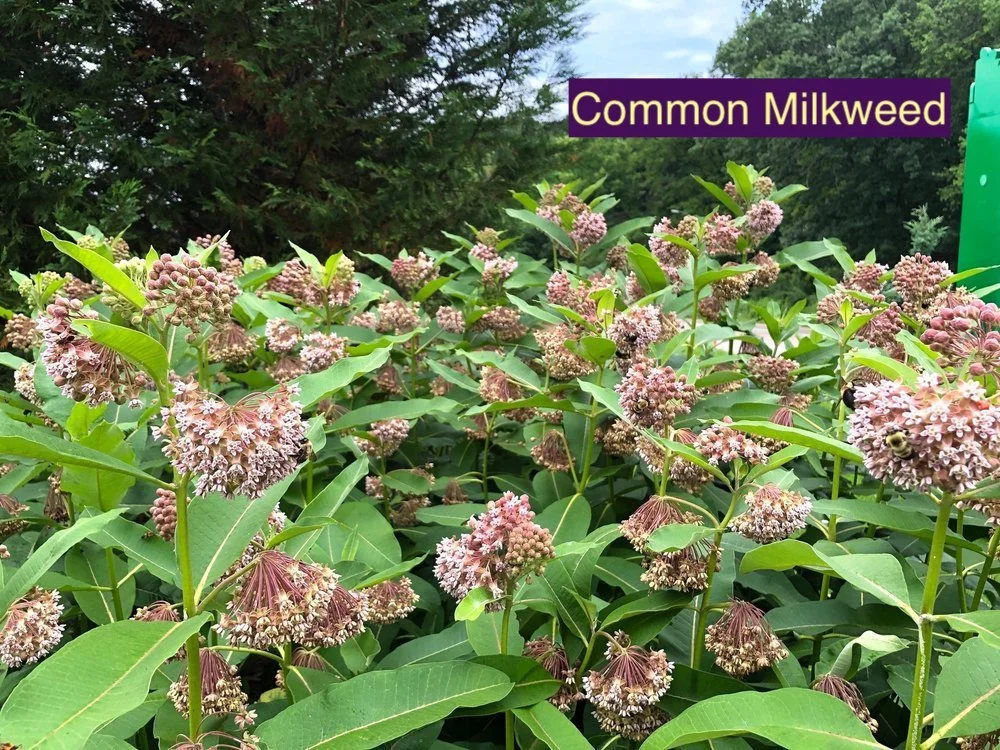
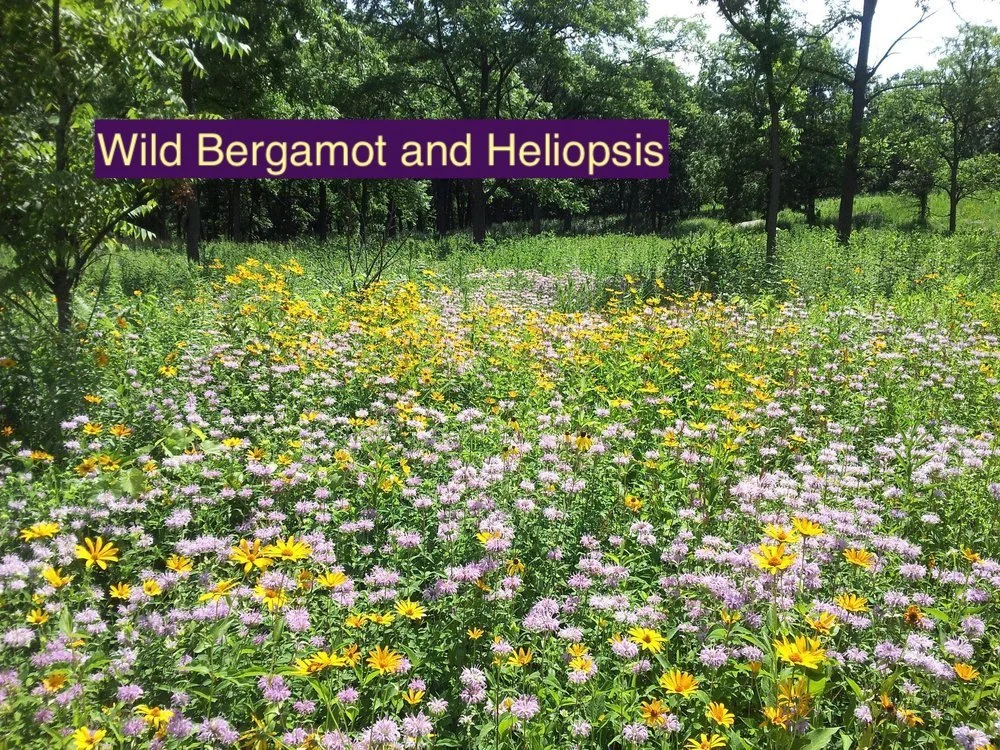
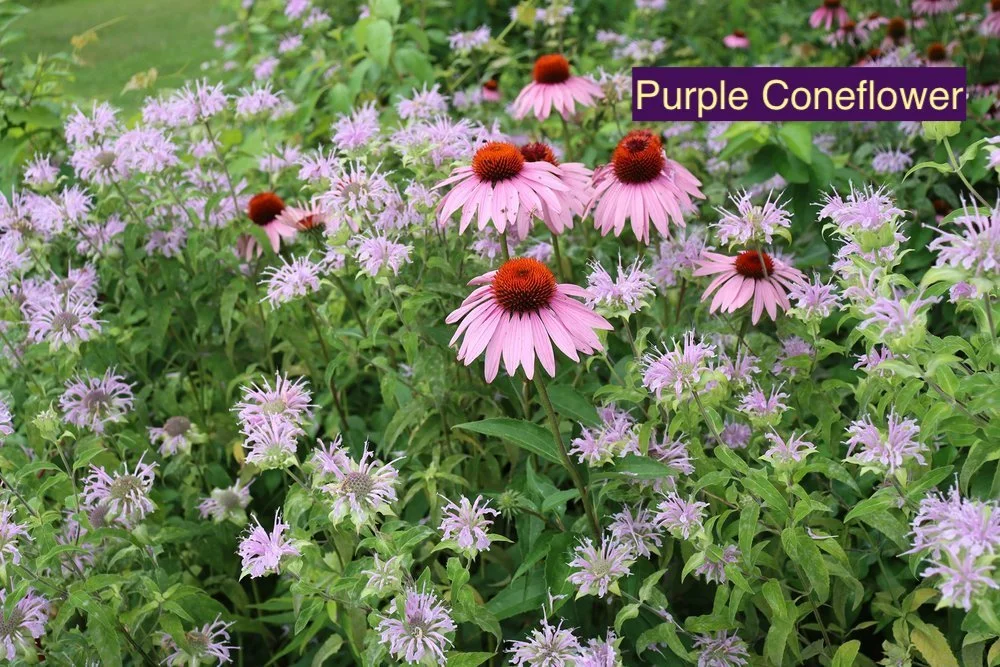
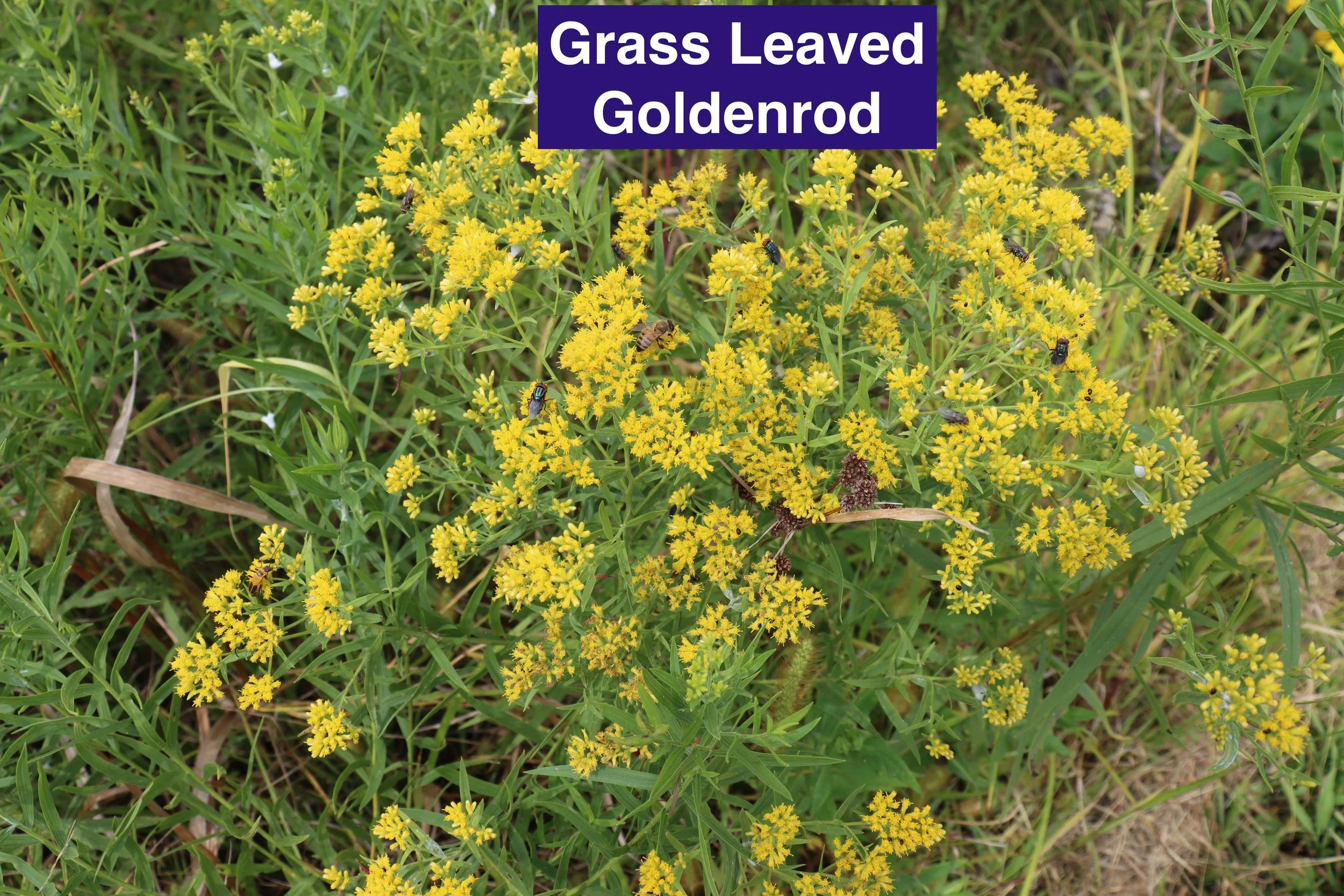
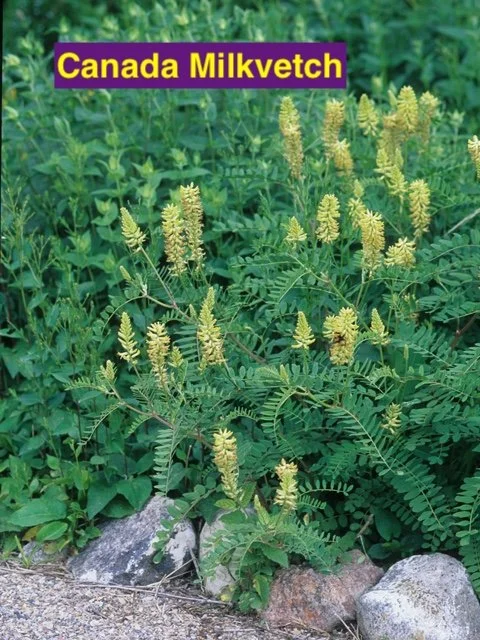
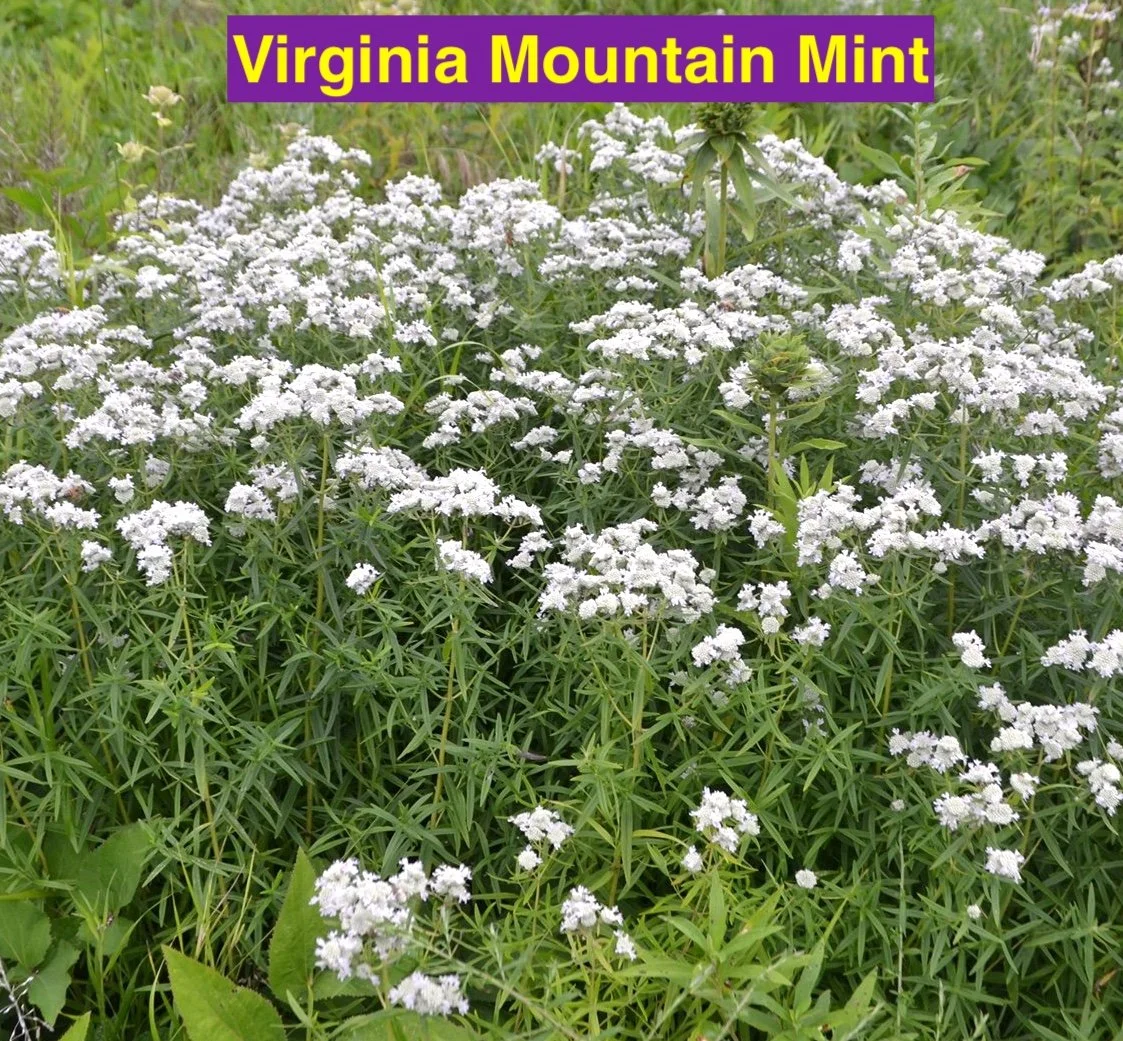
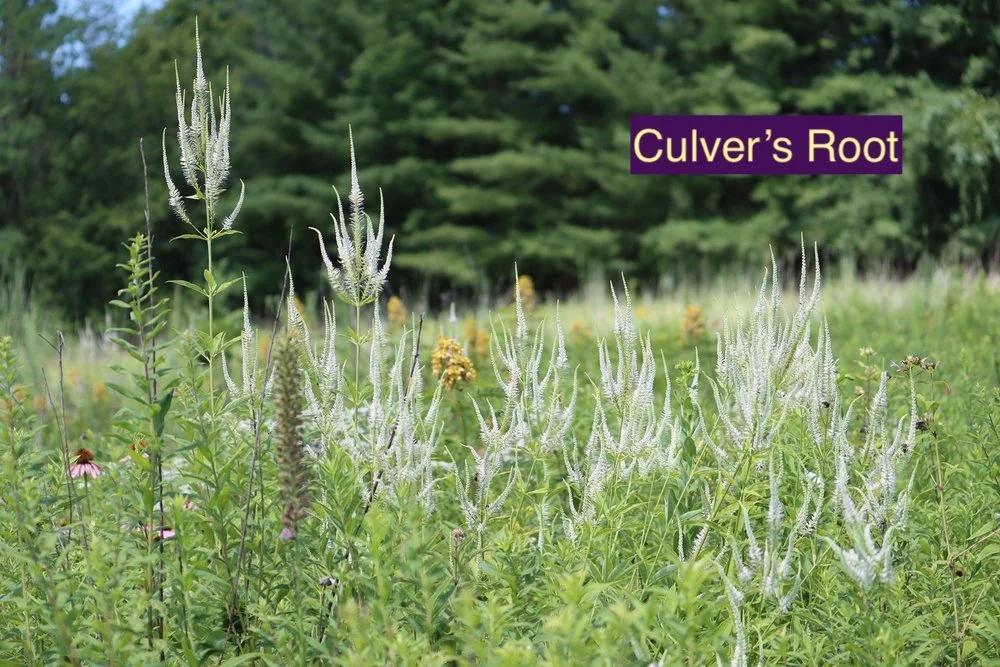
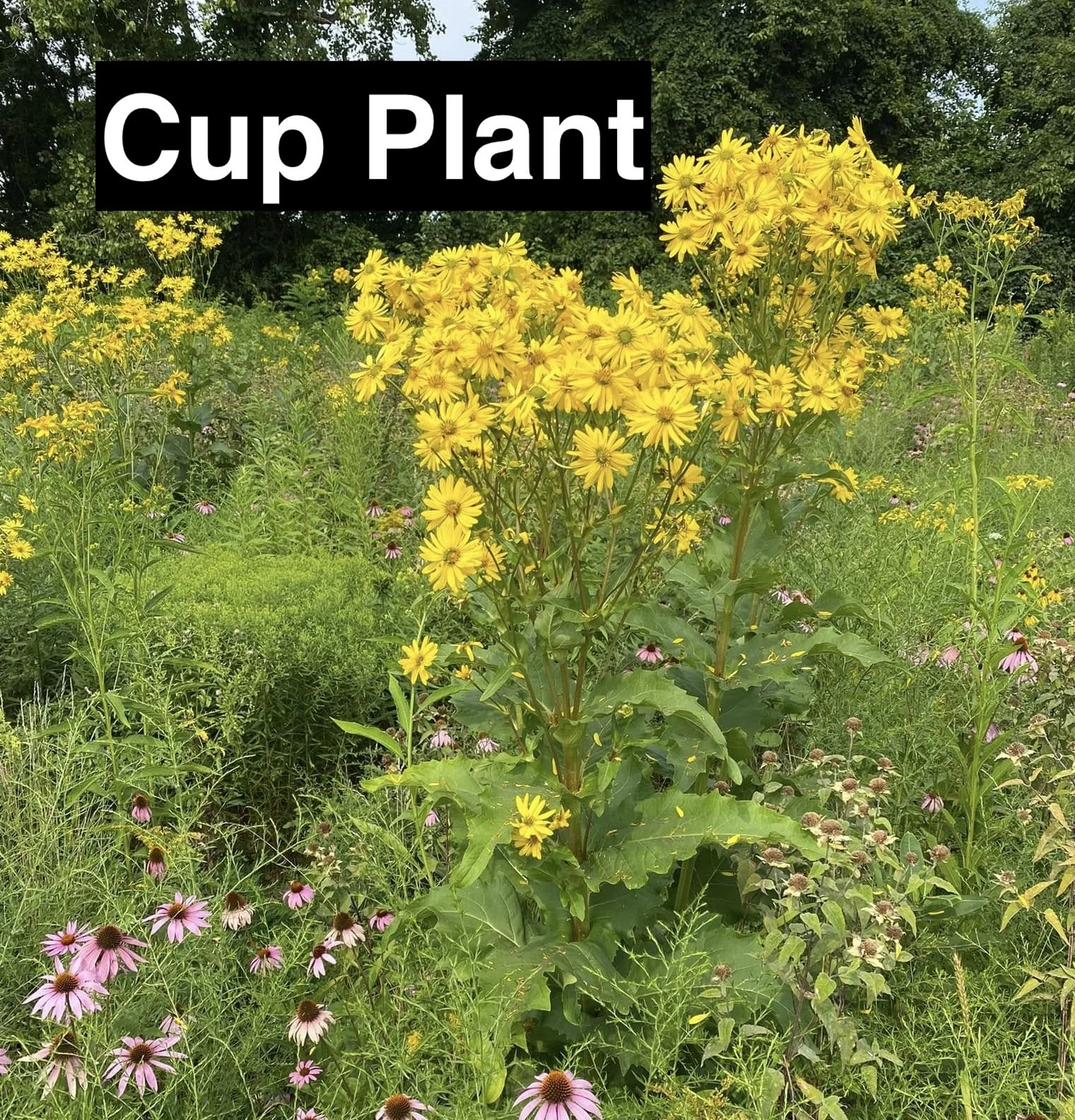
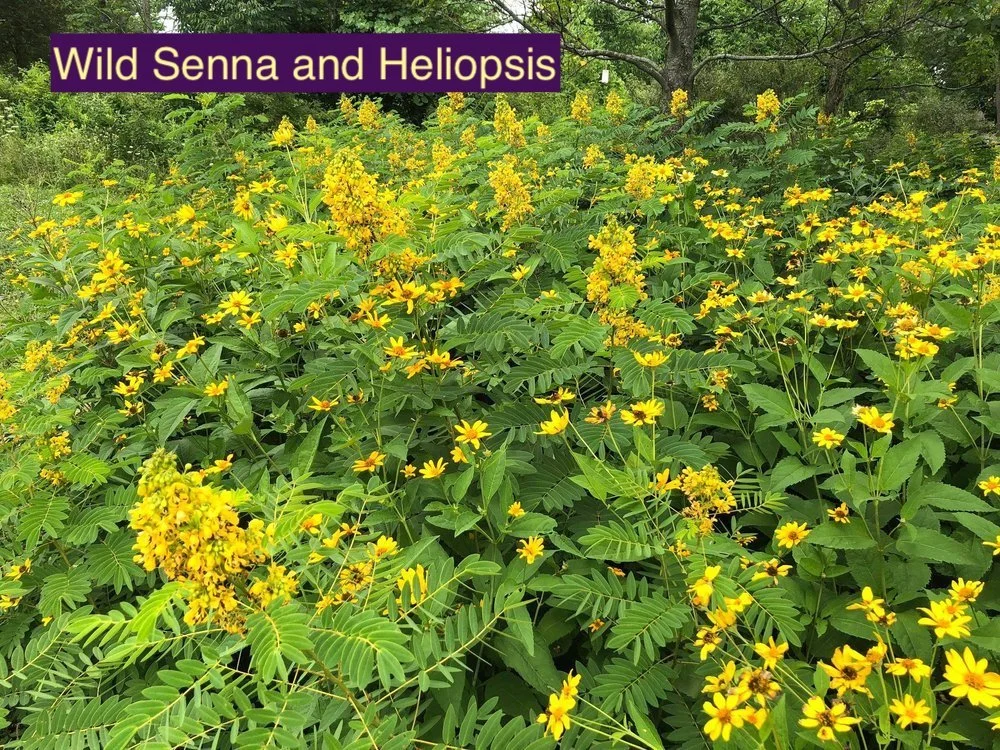
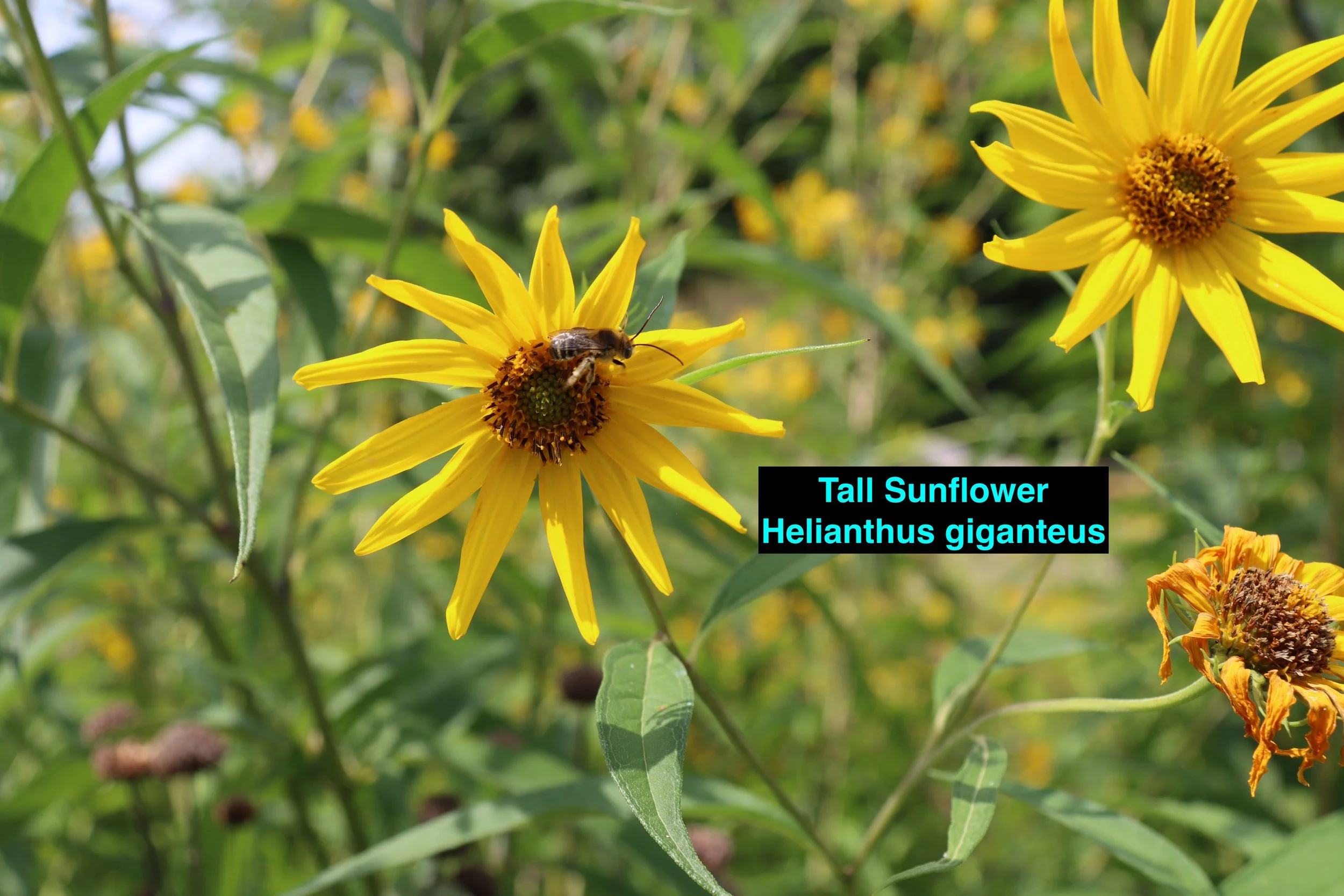
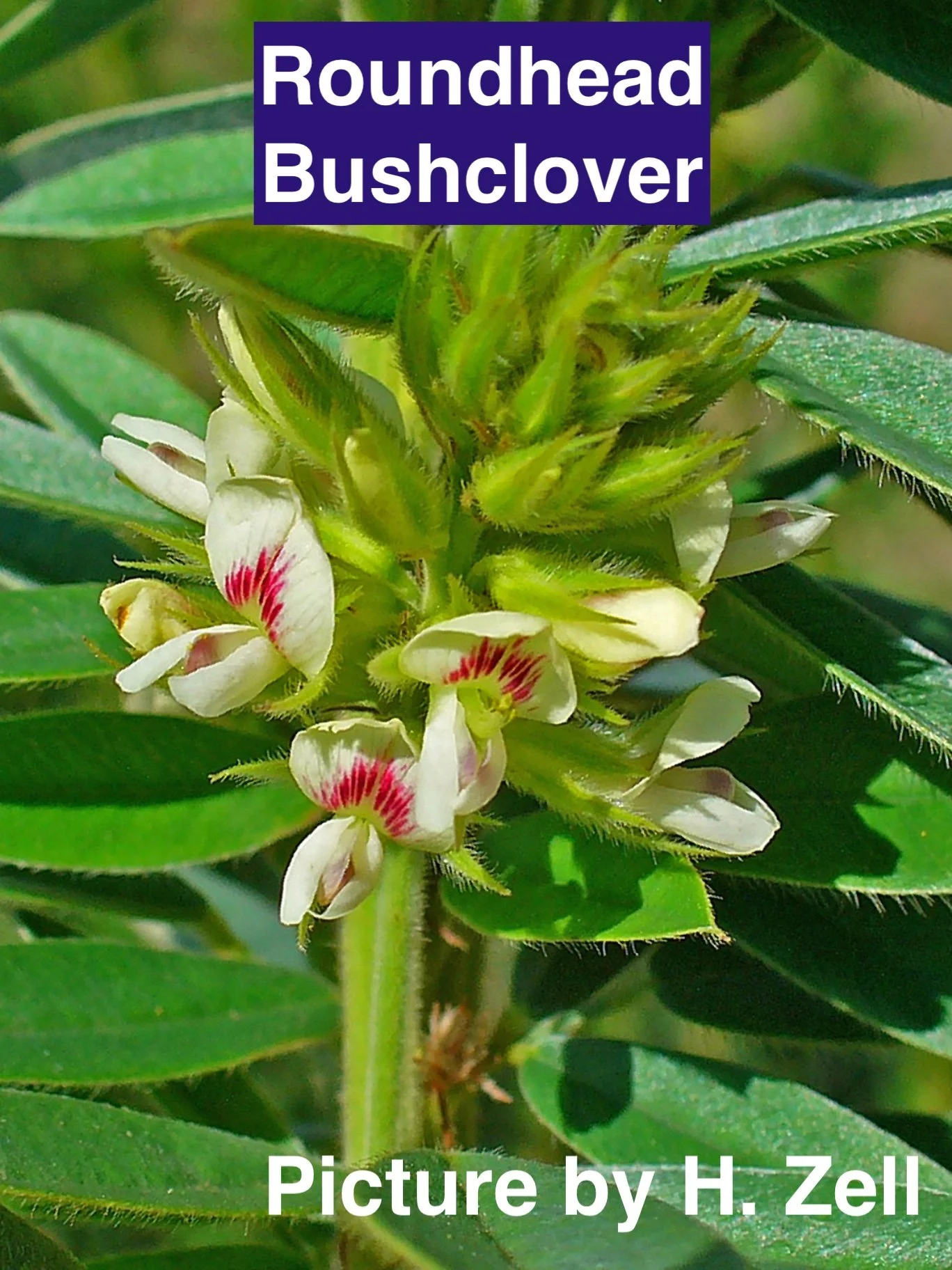
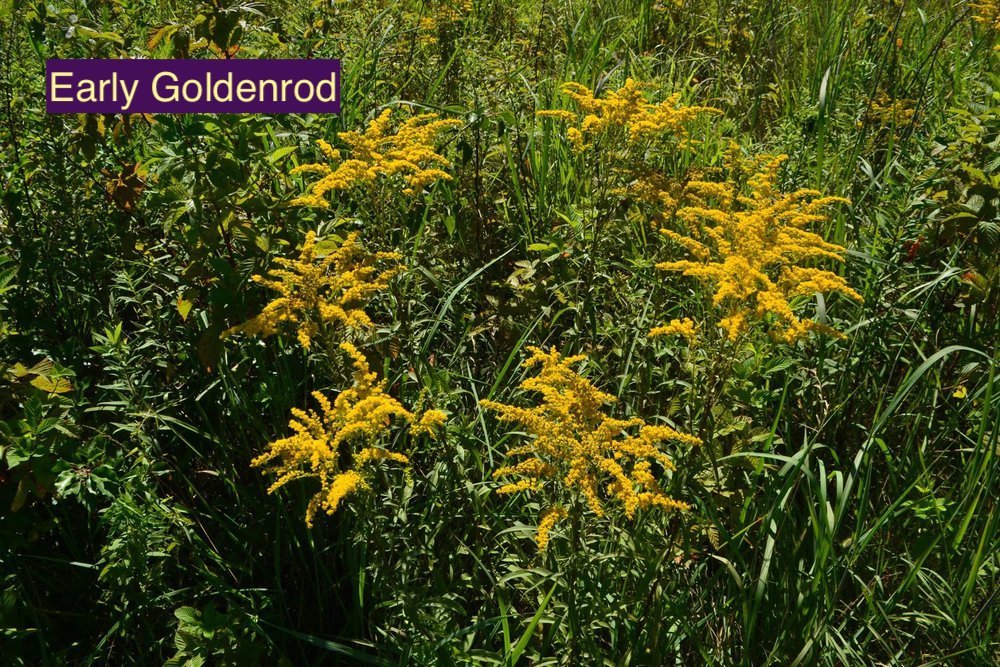
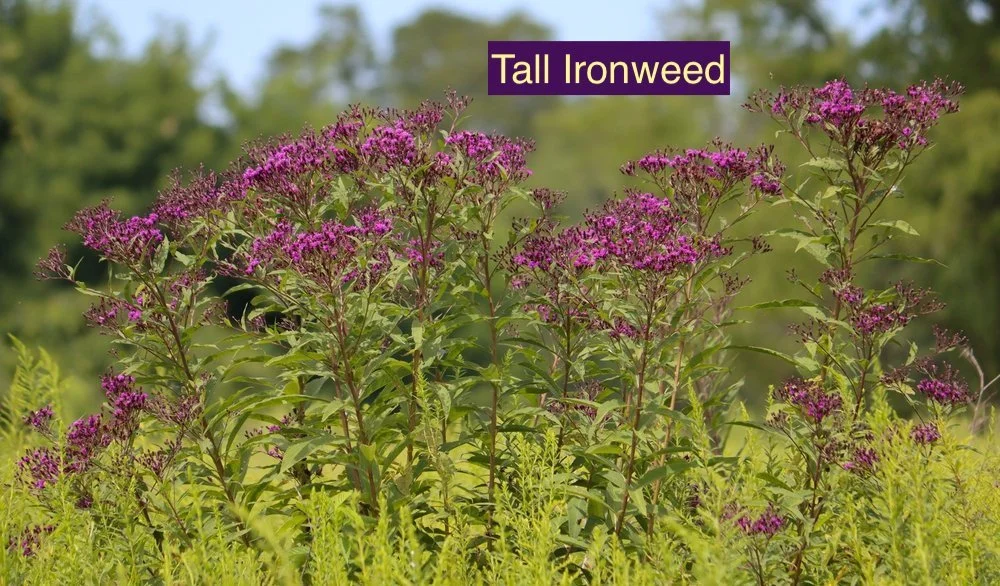
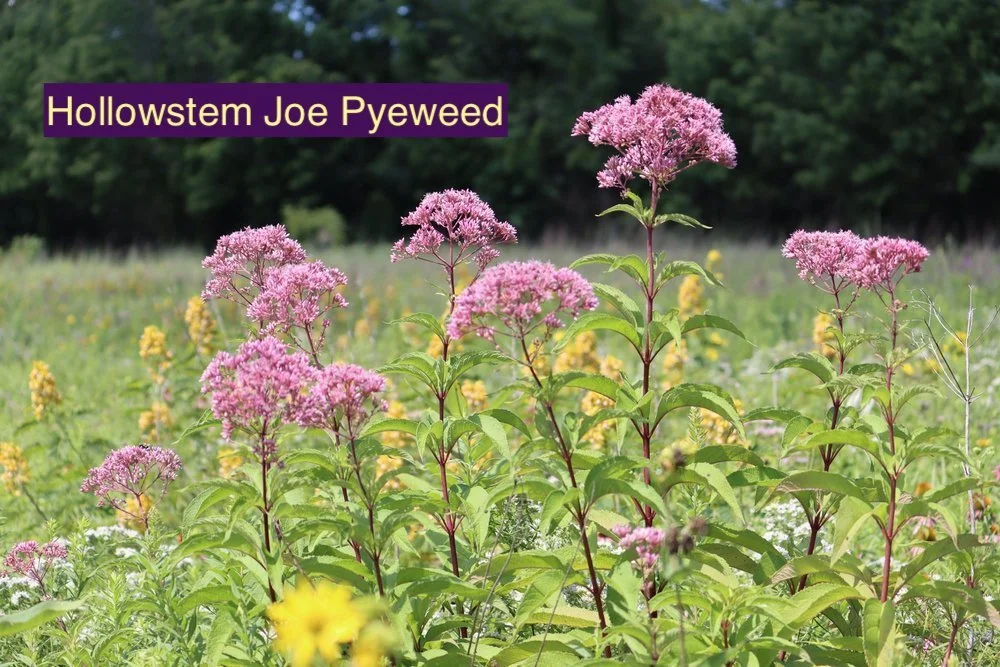
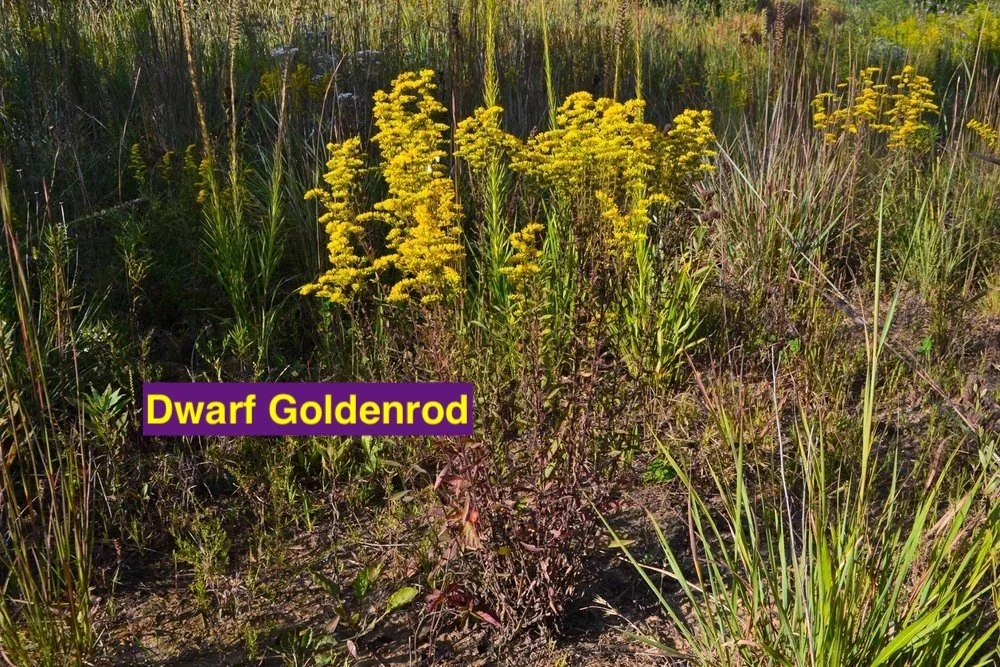
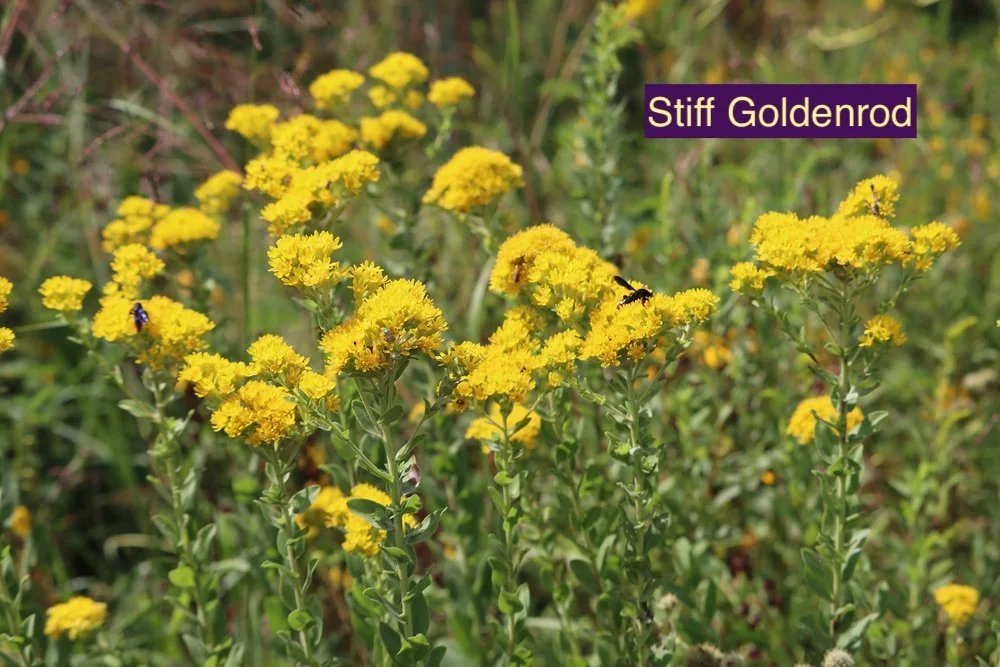
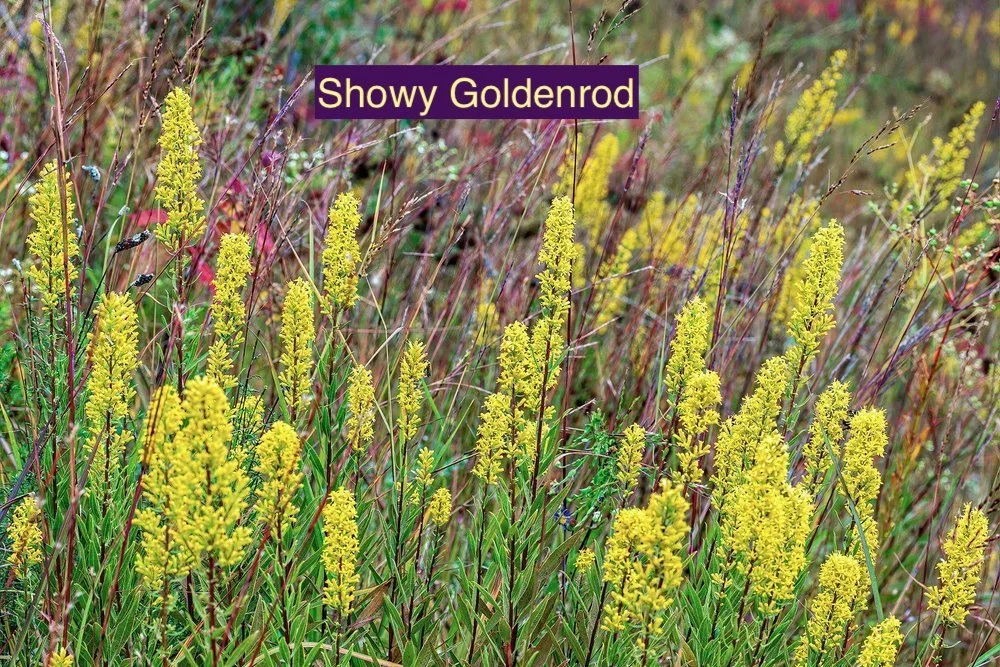
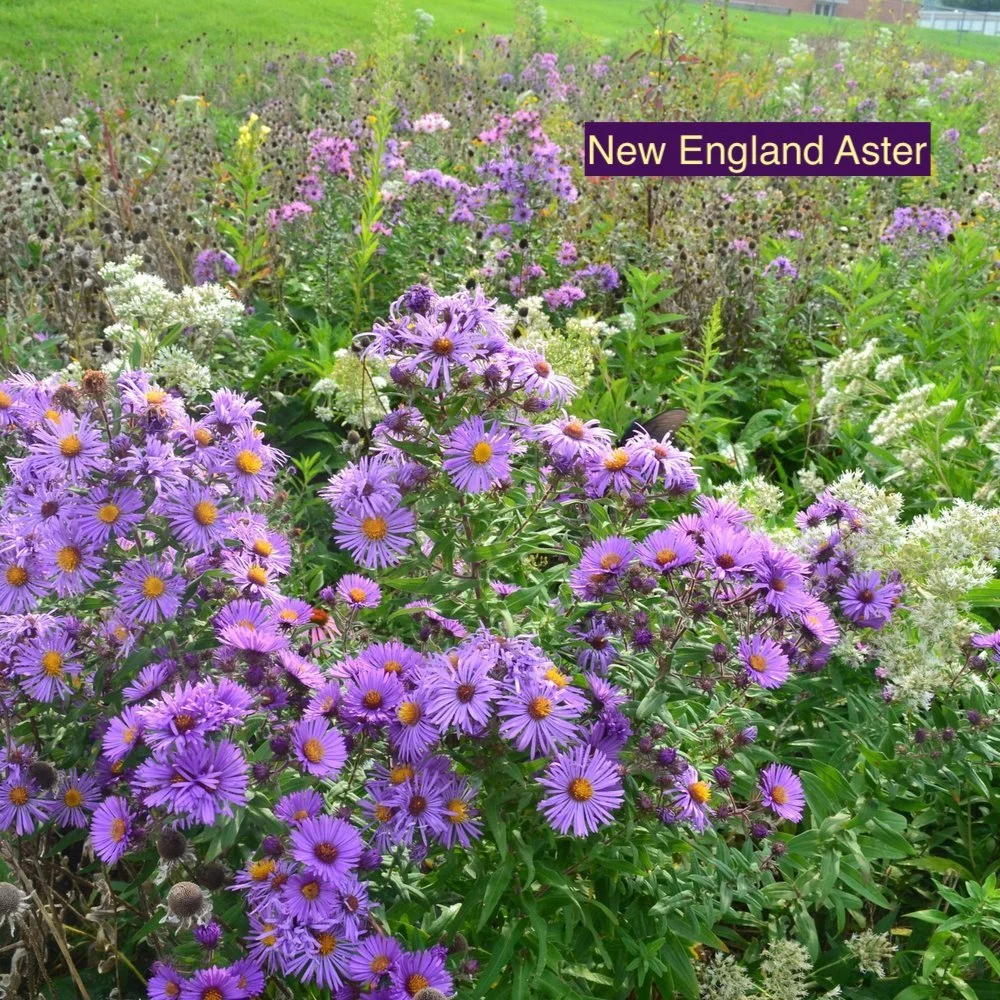
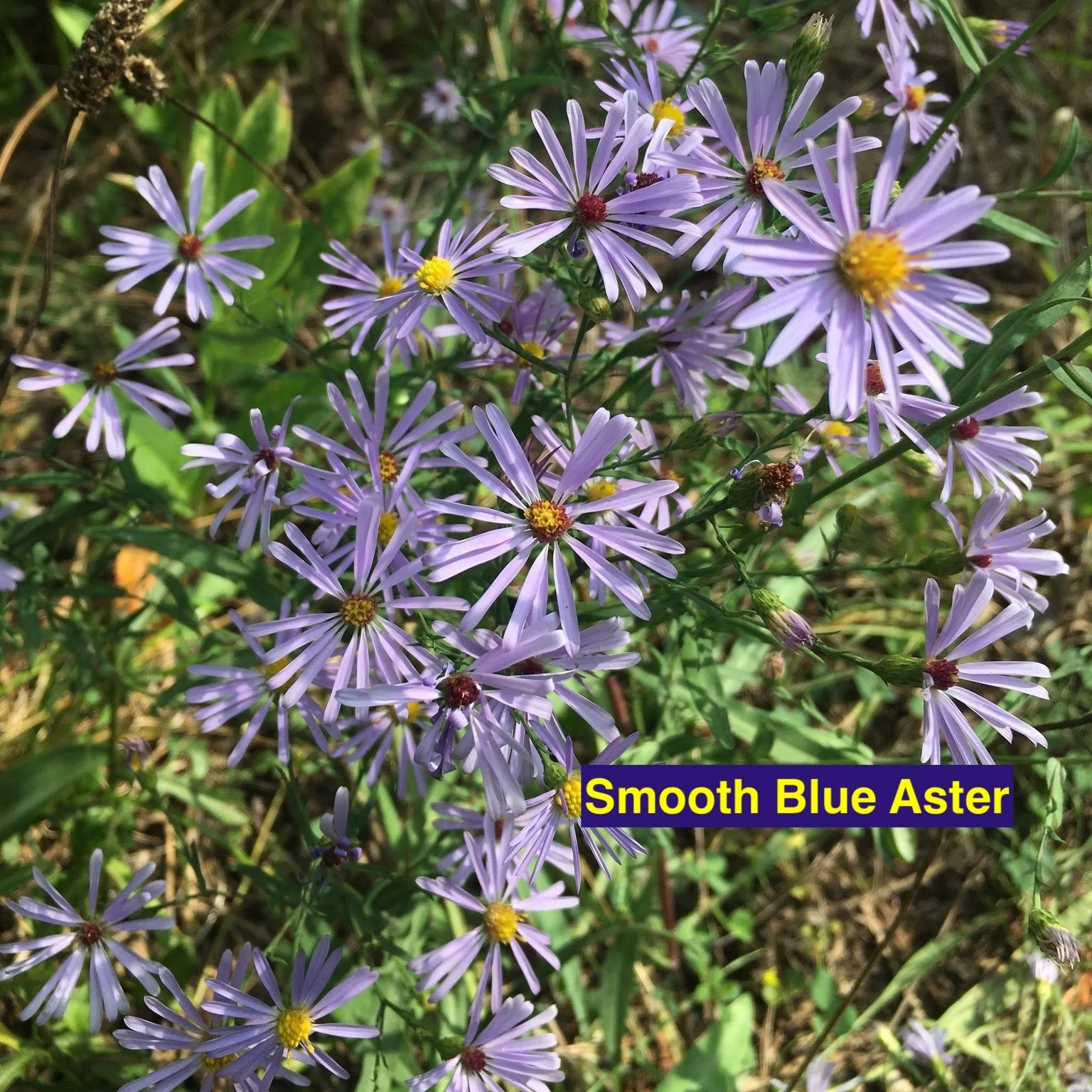
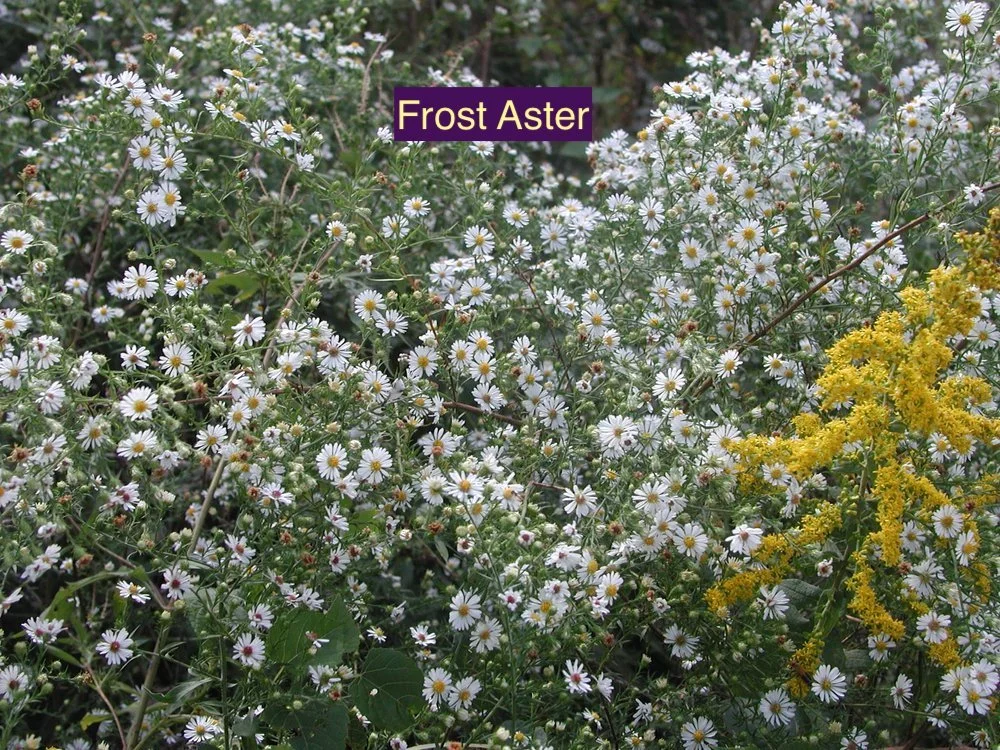
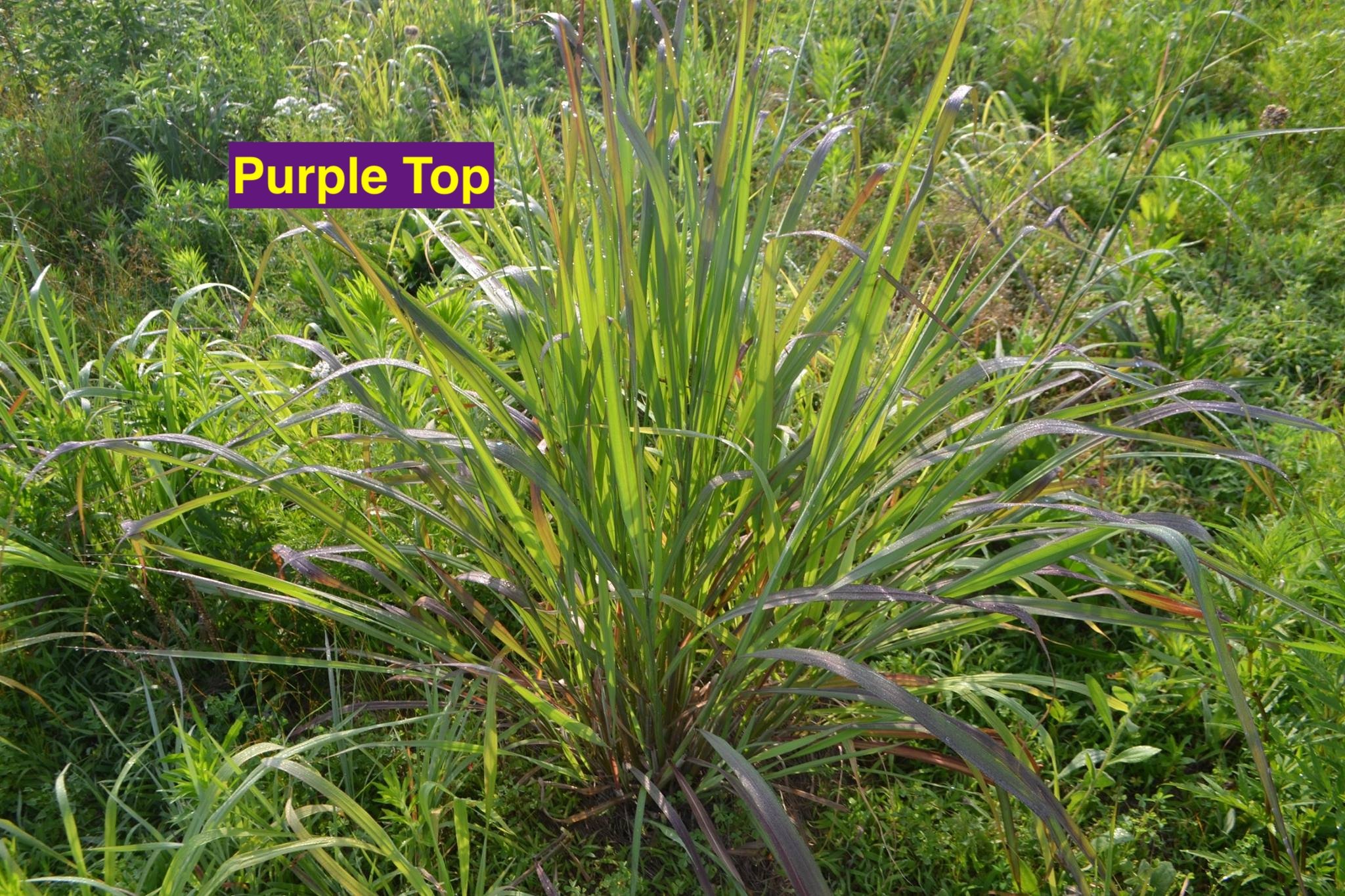
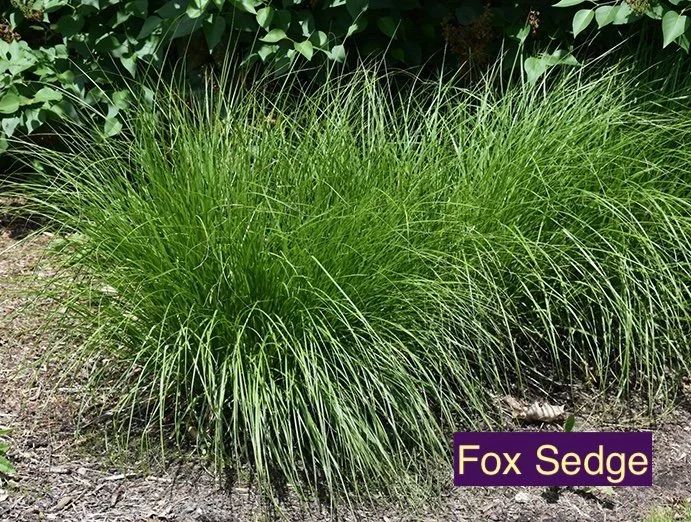
Click the Thumbnail Pictures to see each species within this seed mix.
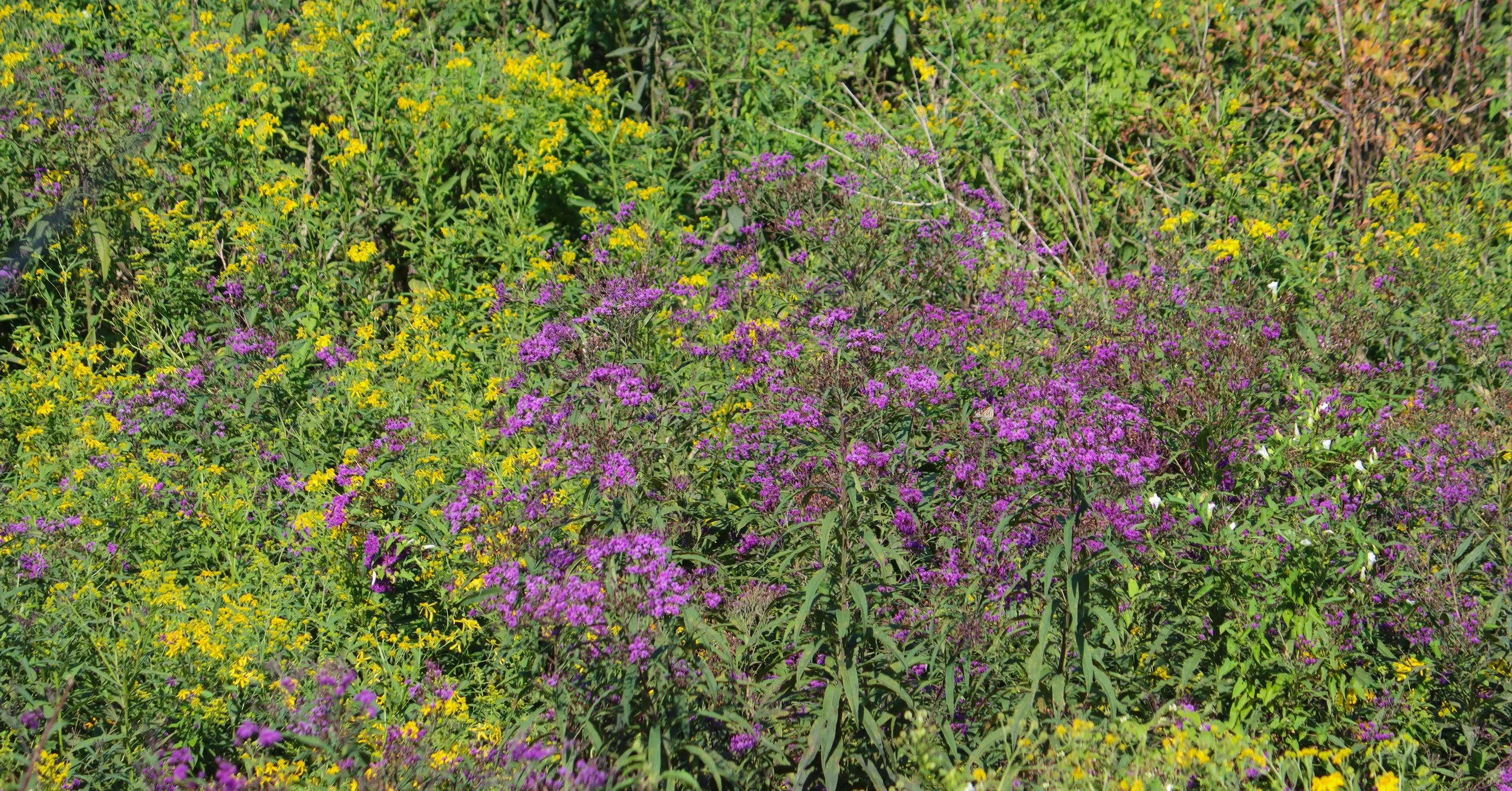
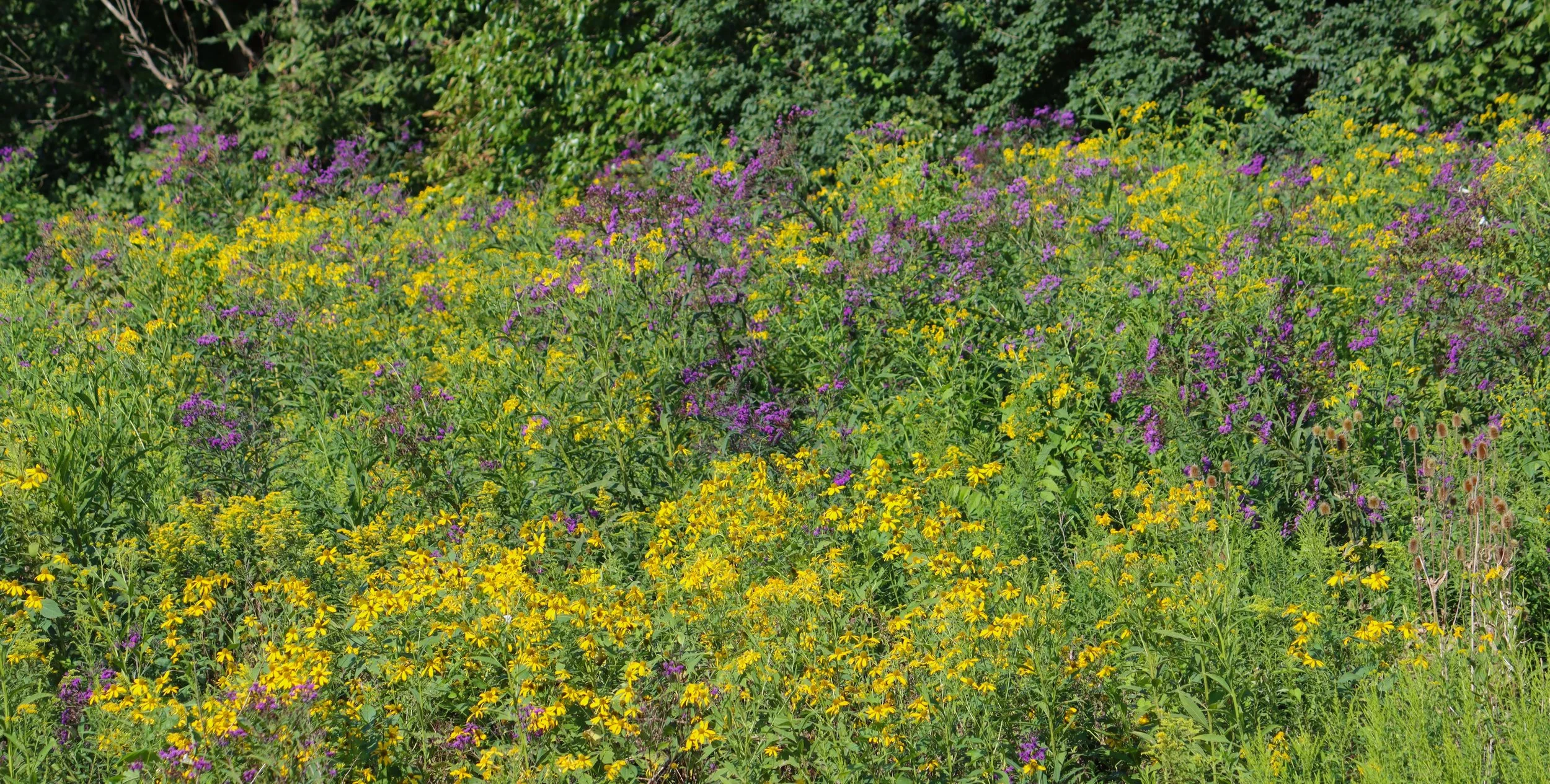
Our Wingstem + Ironweed and friends is designed to climax in bloom from July into September, while also offering some blooms earlier in the year. You can use this mix wherever you would appreciate the height of tall wildflowers such as Wingstem, Ironweed, and Joe Pye Weed. This mix will attract many late season and over wintering native birds that specialize in eating native wildflower seeds. This is also an excellent mix for supporting migrating butterflies, overwintering butterflies, and overwintering queen bumblebees. The purple, pink, yellow contrasting combination of Ironweed, Wingstem, Joe Pyeweed, and Cut-leaf Coneflower will bring a dramatic climax to this seed mix in late summer.
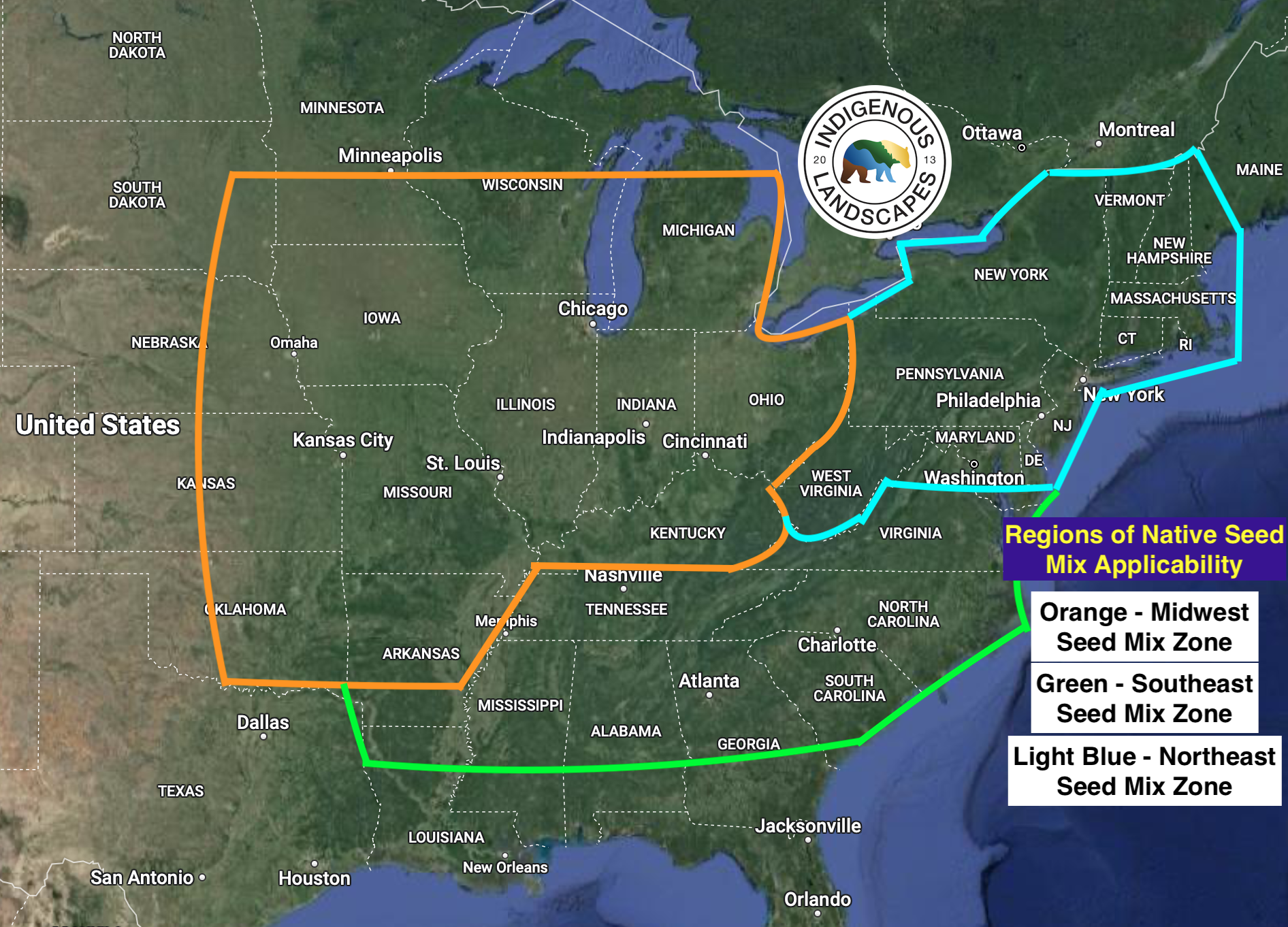
Species considerations: Cup Plant, Foxglove Beardtongue, Purple Coneflower and Wingstem aren’t native to the upper northeastern states though native insects will still use them there because many insects and wildlife of the midwest where these plants are native; are also native to the northeast. The rest of the species are native to the Midwest, Southeast, and Northeast so this is a widely applicable native seed mix.
This seed mix contains 32 species of native wildflowers and grasses/sedges. Wildflowers make up 96% of the seed mix while the 2 species of grasses/sedges make up 4% of the seed mix. This design is to ensure wildflower diversity long-term as native grasses and sedges can become over dominant over time when designed at higher seed proportions due to the lack of Bison and/or Elk grazing the Native Meadows/Prairies. The height ranges from 3 to 8 feet tall in average moisture soils with many plants remaining under 4 feet tall. This seed mix is rated at 80 seeds per square foot and will bloom from May into October with a high diversity of native wildflowers. Its species will adapt to partial sun, full sun, seasonally saturated soils and moderate moisture soils.
Yarrow Achillea millefolium, Common Milkweed Asclepias syriaca, Smooth Blue Aster Aster laevis, New England Aster Aster novae-angliae, Frost Aster Aster pilosus, Canada Milk Vetch Astragalus canadensis, Fox Sedge Carex vulpinoidea, Partridge Pea Chamaecrista fasciculata, Purple Coneflower Echinecea Purpurea, Hollow-stem Joe pye Eupatorium fistulosum, Grass leaf goldenrod Euthamia gramnifolia, Oenothera biennis Evening Primrose, Tall Sunflower Helianthus giganteus, Early Sunflower Heliopsis helianthoides, Rounded Headed Bush Clover Lespedeza capitata, Wild Bergamot Monarda Fistulosa, Foxglove Beardtongue Penstemon digitalis, Virginia Mountain Mint Pycnanthemum virginianum, Obedient Plant Physostegia virginiana, Cut-leaf Coneflower Rudbeckia laciniata, Black Eyed Susan Rudbeckia hirta, Wild Senna Senna hebecarpa, CUp Plant Silphium perfoliatum, Early Goldenrod Solidago juncea, Dwarf aka Gray Goldenrod Solidago nemoralis, Stiff Goldenrod Solidago Ridgida, Showy Goldenrod Solidago speciosa, Ohio Spiderwort Tradescantia ohioensis, Purple Top Tridens Flavus, Wingstem Verbesina alternifolia, Tall Ironweed Vernonia gigantea, Culver's Root Veronicastrum virginicum, Golden Alexanders Zizia aurea
1,000 and 2,000 square foot portions are available for smaller spaces.
The 1/8th acre seed mix is great for starting mini-native meadows up to 5,445 Square feet.
The 1/4th acre seed mix is great for starting numerous large pollinator gardens (up to 20 separate 500 square feet pollinator gardens) and for starting native meadows/prairies up to 10,890 Square feet. You could also start 3 Native meadows around 3,400 square feet each, or 2 Native Meadows around 5,450 square feet.
The 1/2th acre seed mix is ideal for providing a stronger impact on local pollinators due to the size - covering up to 21,780 square feet. You could divide this up into 3 or 4 smaller native meadows by dividing 21,780 square feet by 3 or 4 to get a square footage measurement for the smaller native meadows/prairies.
We also have a 1 acre size available for more bulk cost savings.
What Makes Our Native Seed Mixes Different From Competitors.
The biggest difference in our seed mixes is the amount of native wildflower species being 41 to 46 species in our high diversity seed mixes, and the percentage of Native Wildflower seed vs. Native Grass seed being 95% to 5%. For this amount of wildflower species, and this heavy of native wildflower to native grass percentage; no other native seed company can beat our pricing. As nearly all native seed companies offer; we also provide an instruction manual and customer service question answering via email as you work on transforming your land back into native meadow vegetation. This instruction manual can be followed by yourself or a hired landscaper if the job feels overwhelming to you.
Cost Effectiveness
Native Prairie/Meadow Seedings cost about 2 to 13 cents per square foot where as using potted native plants to cover the same area costs $2.00 to $10.00 per square foot depending on how densely the potted plants are installed and mulch use. For example; a 1,000 Square foot pollinator garden would require at least 750 potted native wildflowers/grasses to cover the plot effectively. Potted Plants can cost $2 to $10 per plant, and at a cost of $5.00 per plant, 750 wildflowers/grasses would cost $3,750 + installation costs and mulching costs. If that 1,000 square feet were instead seeded with one of our mixes it would cost $125 - $150, and you could do the installation yourself simply: using our instruction manual. The cost effectiveness ratio increases even higher the larger of plot you are seeding vs. planting with plugs or potted plants - for 1/8th acre or larger the cost per square foot is only 2 to 3 cents where as the smaller 1,000 and 2,000 square foot portions are around 12 to 13 cents per square foot compared to the $3.75 per square foot cost of potted plants. Maintenance is easier and weed invasion resistance is much better with seeding projects vs. potted plant landscapes due to the density of native seedings repelling and blocking out weed competition as the plot matures.
1,000 square feet - $130
2,000 square feet - $165
1/8th acre - $195
1/4th acre - $285
1/2th acre - $475
1 acre - $845