
American Plum aka Common Plum Picture and Video Gallery
Prunus americana
These pictures and videos are free for you to use as long as you retain the our logo - for personal, educational, and commercial useage.
Spring Time Pictures
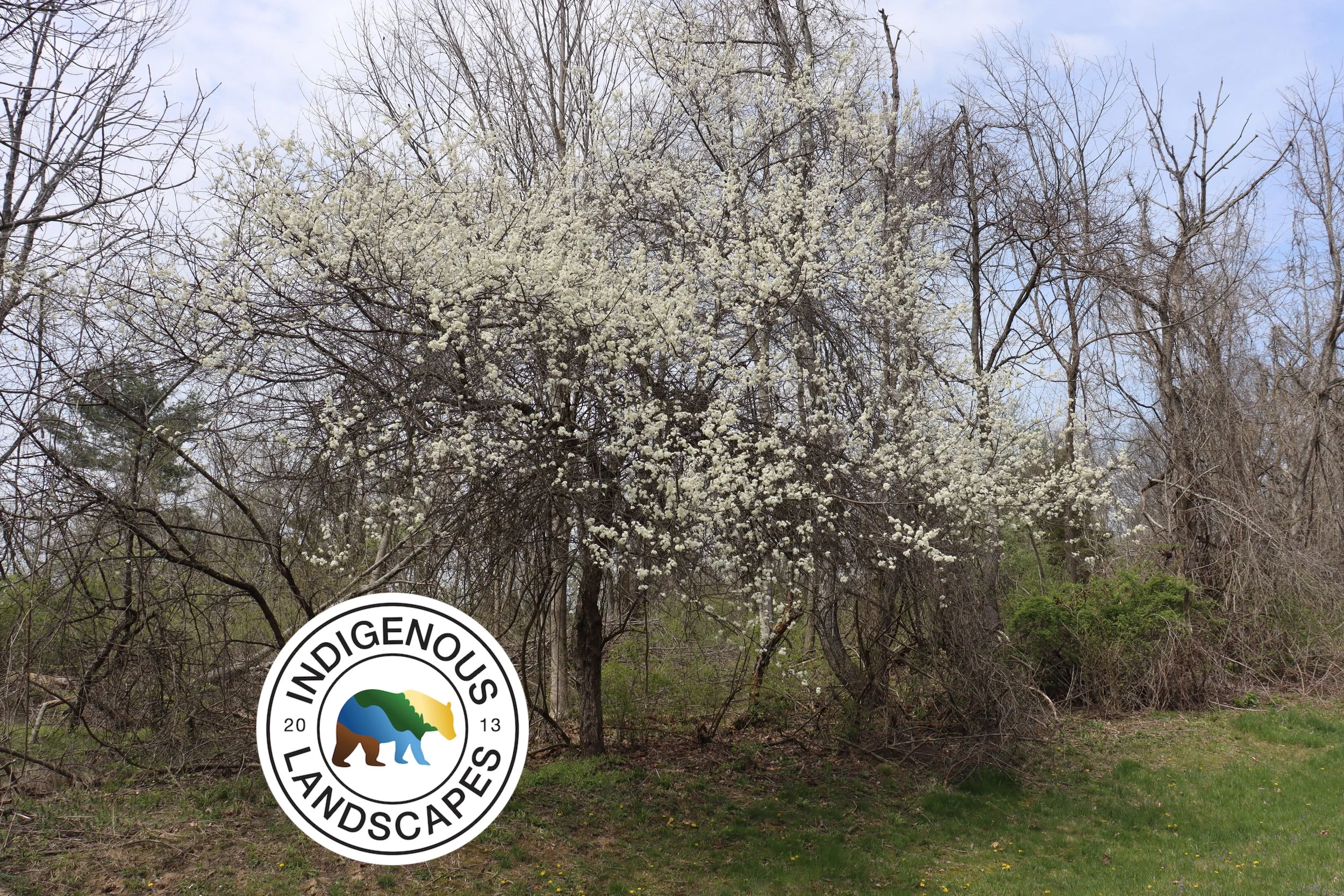
American Plum - Prunus americana blooms in early spring throughout its native range.
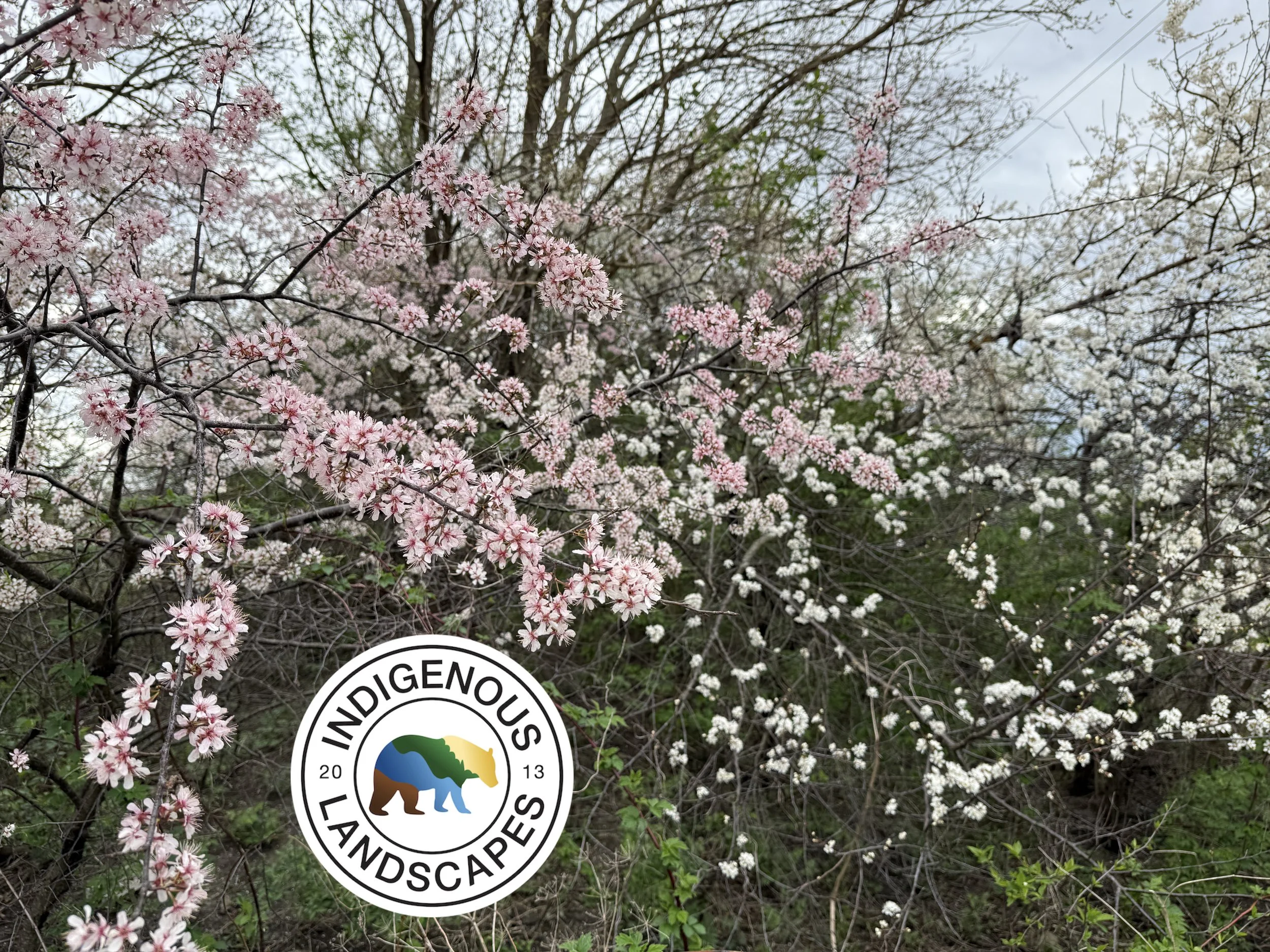
American Plum - Prunus americana blooms sometimes turn pinkish as they age. This attribute is common among many plum species.
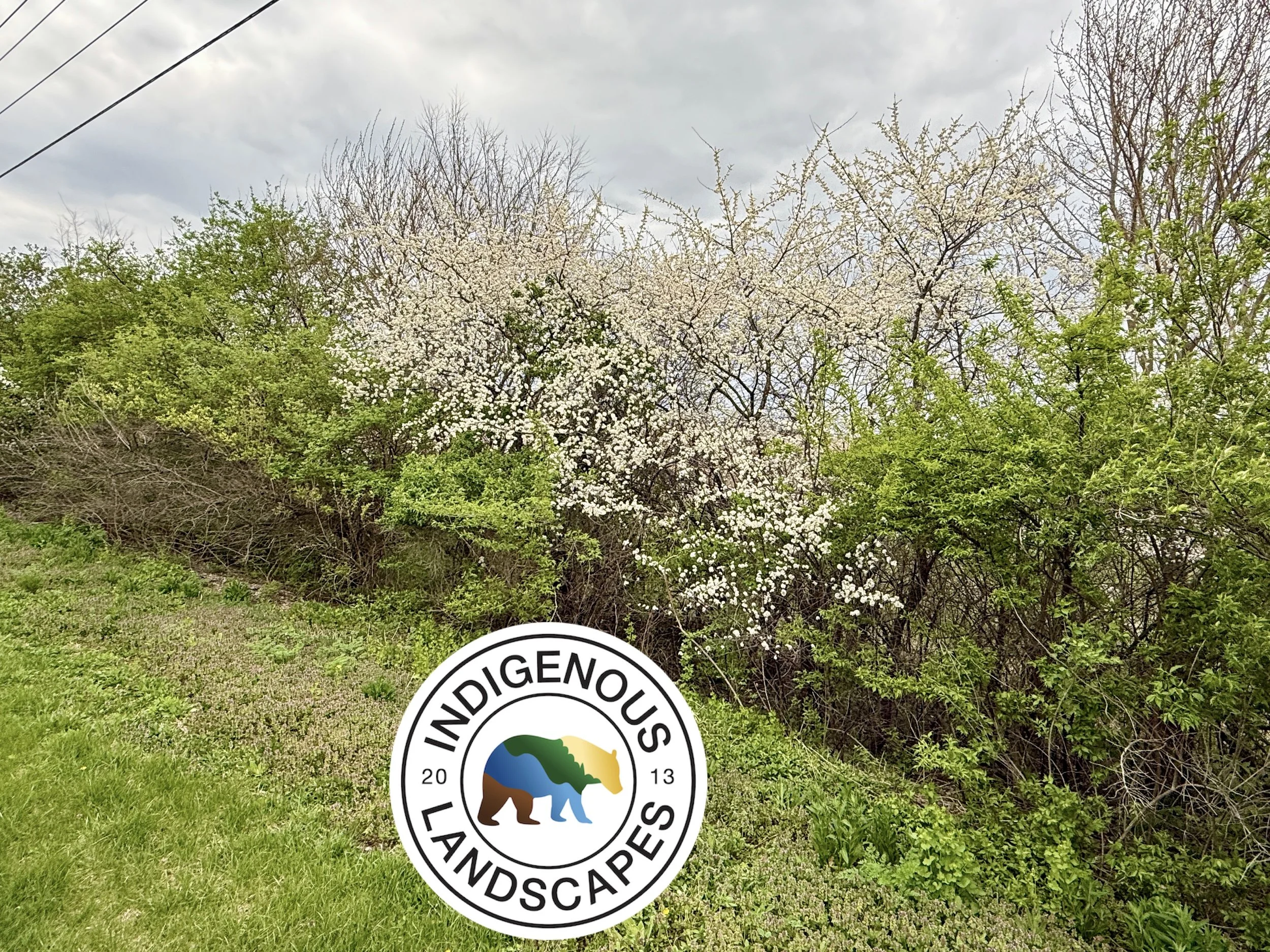
American Plum - Prunus americana trying to survive with Amur Honeysuckle.
American Plum - Prunus americana and other native plum species have been rendered functionally extinct - the point at which a species no longer significantly contributes to the ecosystem due to population decline. It has declined due to the loss of prairie/grassland habitat it depends on to survive in - primarily from corn/soy/wheat/alfalfa crop rotations for livestock feed and ethanol production. Invasive shrubs, vines, and trees are now wiping out remaining populations as pictured above surrounded by Amur Honeysuckle.
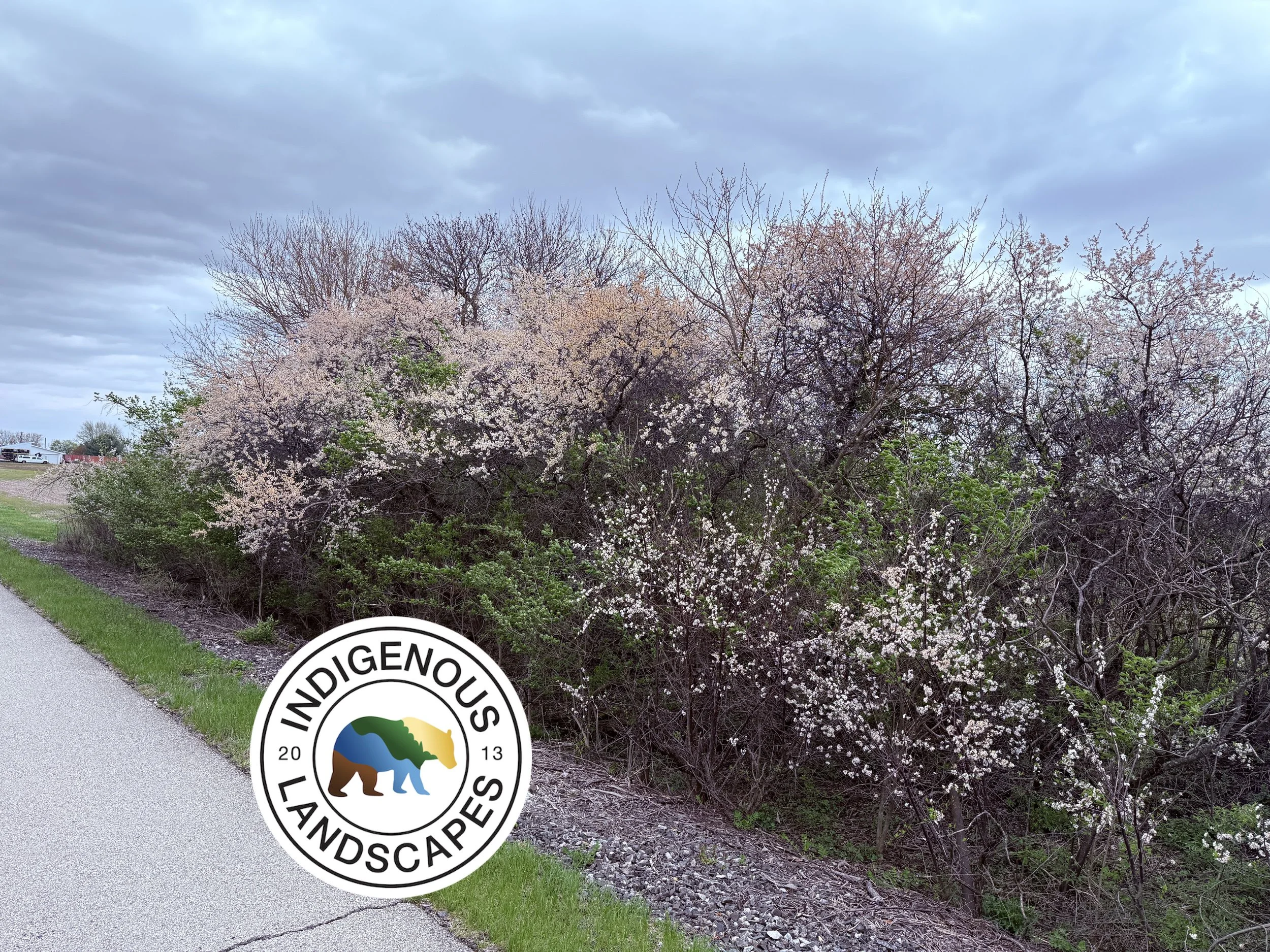
A large American Plum - Prunus americana thicket being invaded by Amur Honeysuckle
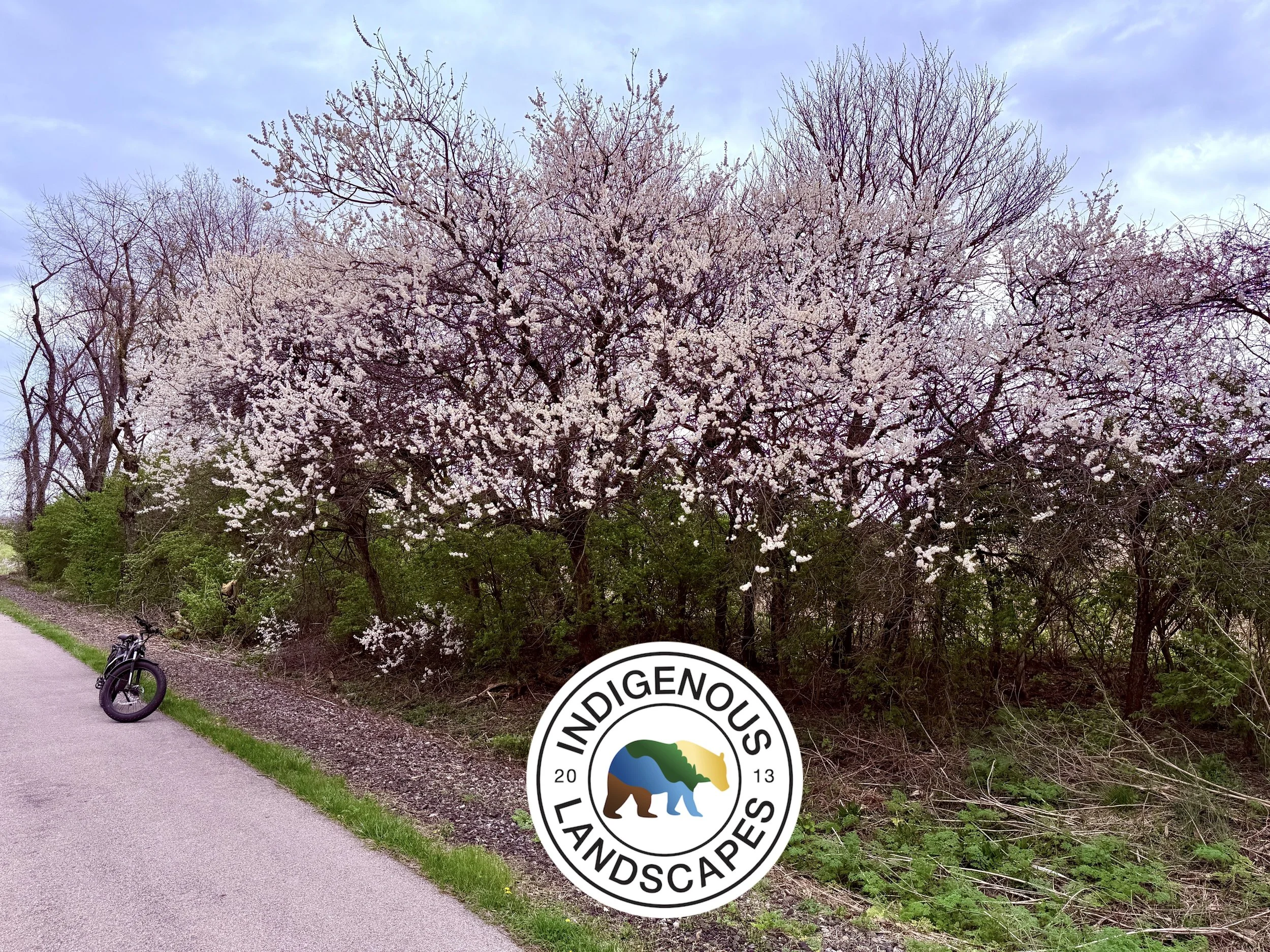
A large American Plum aka Common Plum - Prunus americana thicket. Large E-bike for scale. This is their maximum size.
Late Summer - Fruiting Period of Prunus americana
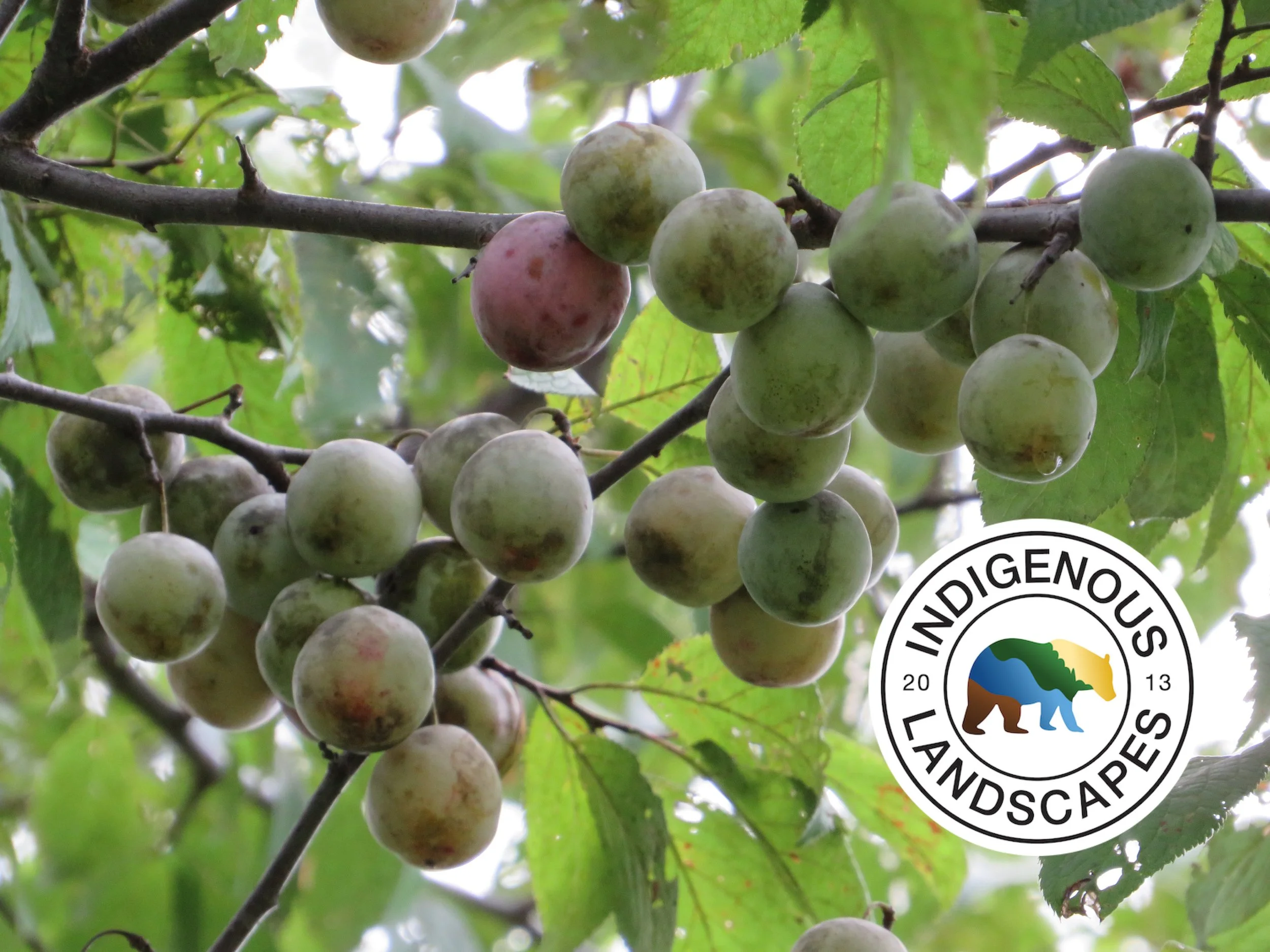
Before American Plum is ripe, they are covered in a heavy glaucous coating that makes the skin appear white-ish. Most of it can be rubbed off with your finger or by water but the glaucous coating does not effect edibility and will remain present through their ripening period. Mexican Plum - Prunus mexicana, and Beach Plum - Prunus maritima also have a heavy glaucous coating on their fruit. Chickasaw Plum has a light glaucous coating about 10% as heavy as American Plum, Beach Plum, and Mexican Plum. Quapaw Plum aka Hortlan Plum - Prunus hortulana has no glaucous coating making their fruit appear glossy, shining in the sunlight.
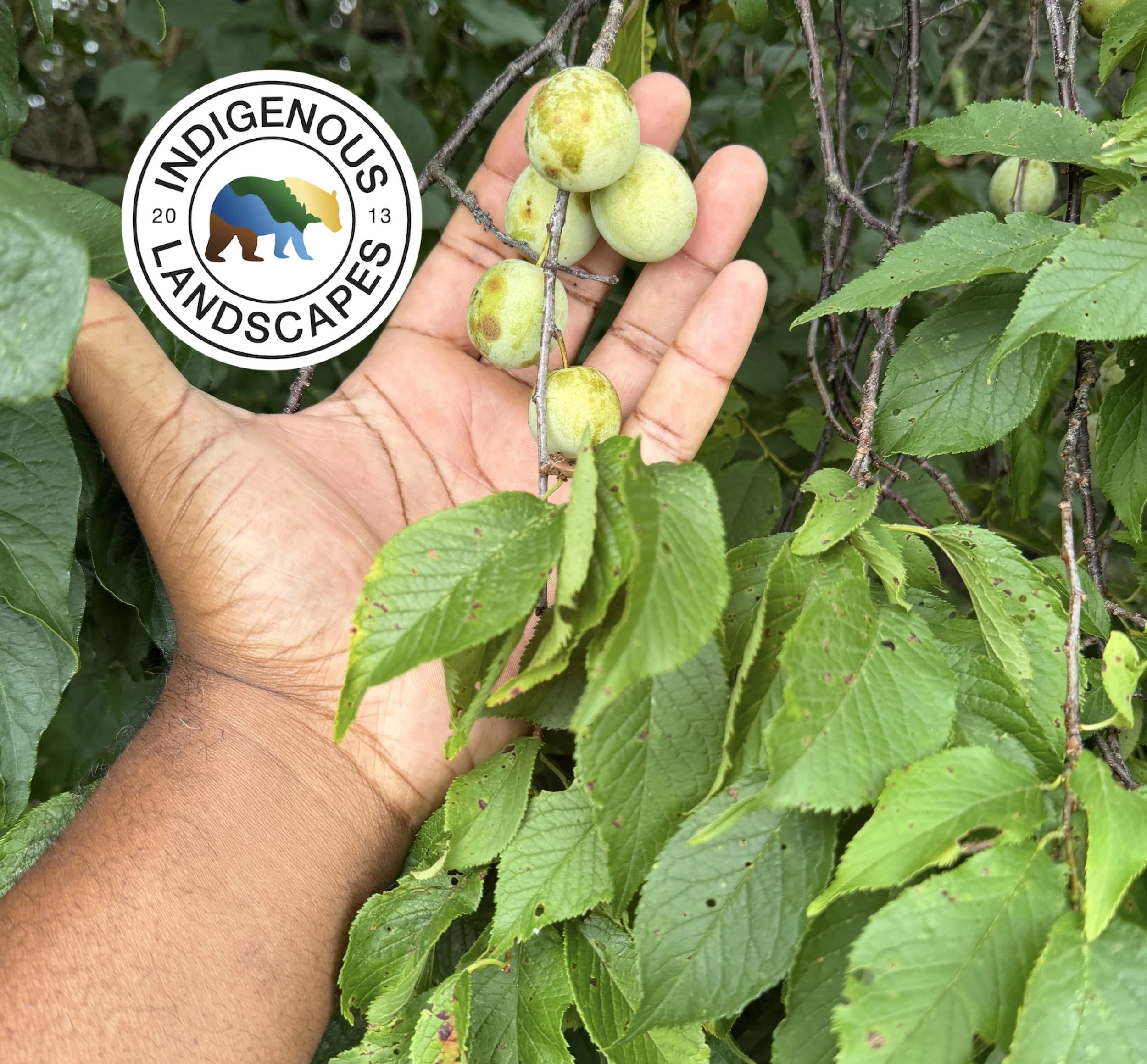
The teeth on the leaf margin of both American Plum and Mexican plum are more pointed than rounded where as other native Wild Plum species have softer more rounded teeth on their leaf margins.
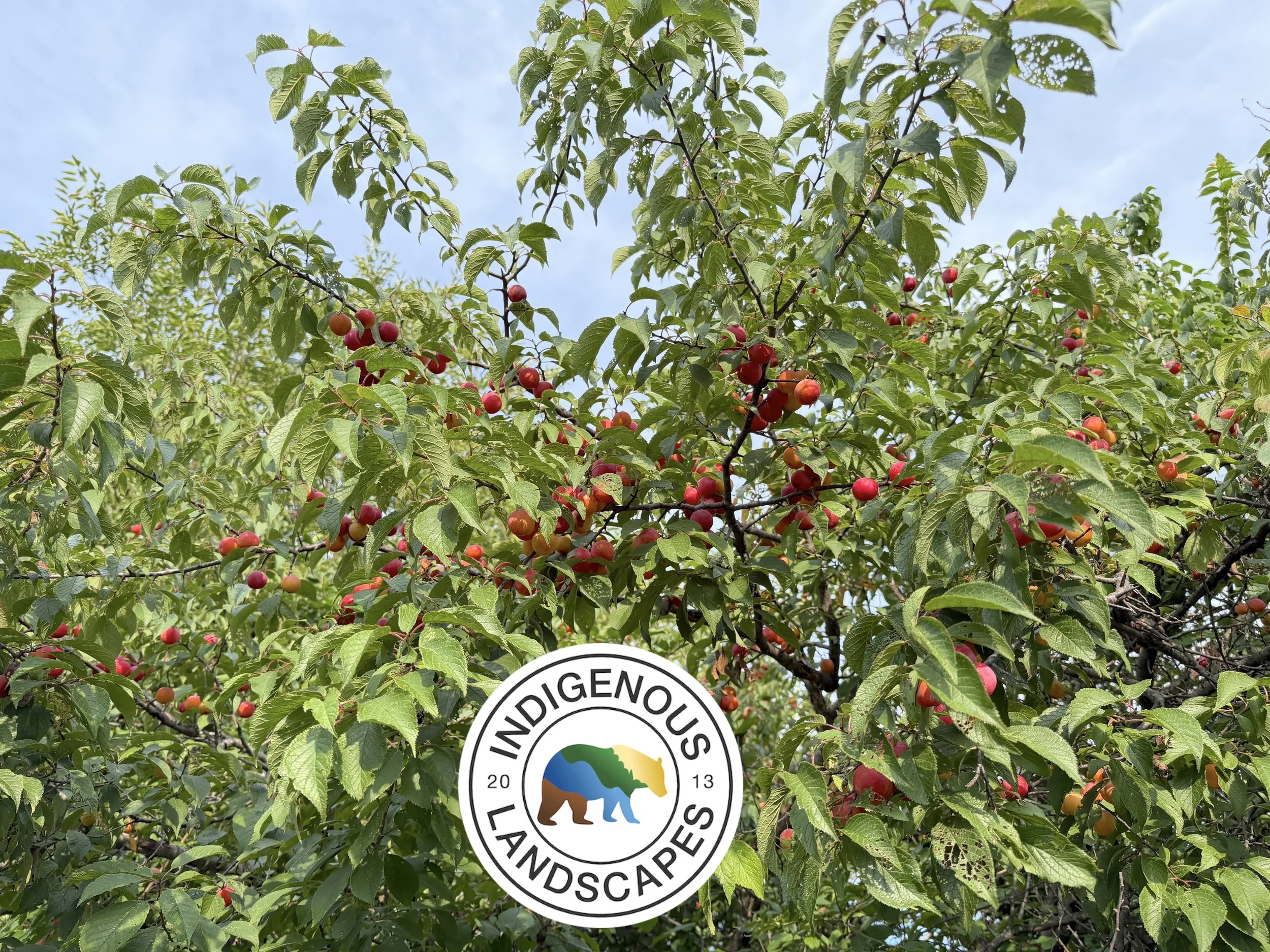
When maturing, American Plum can appear Purple, Maroon, Reddish, Gold, or Pinkish - they are quite variable.
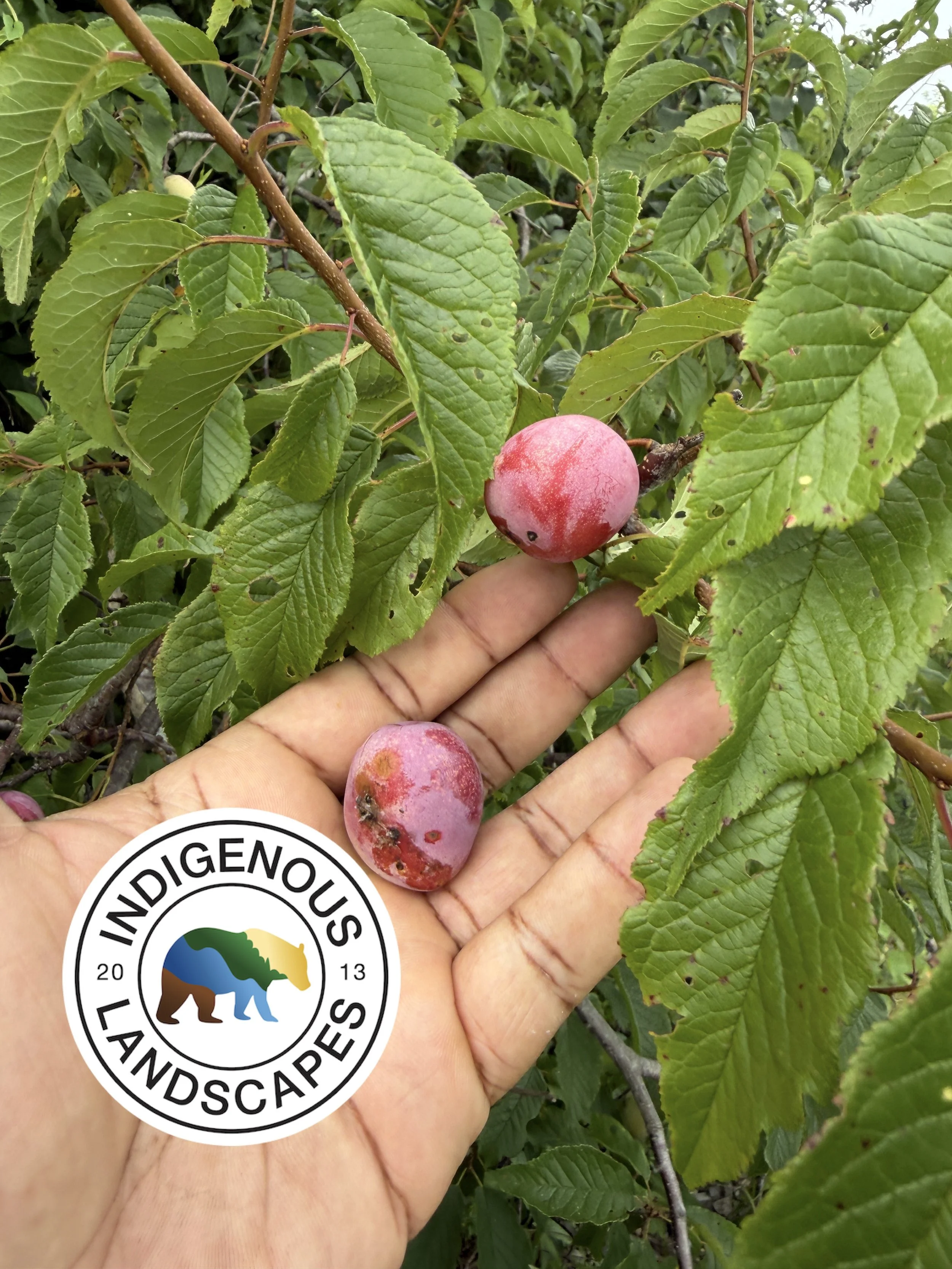
In my travels, 1/20 or so thickets have these pictured large fruit that are larger than a quarter in diameter. Most are quarter sized down to nickel sized in diameter. This picture gallery has a bias showing mostly larger fruit thickets as that is what I was documenting for my records while taking these pictures.
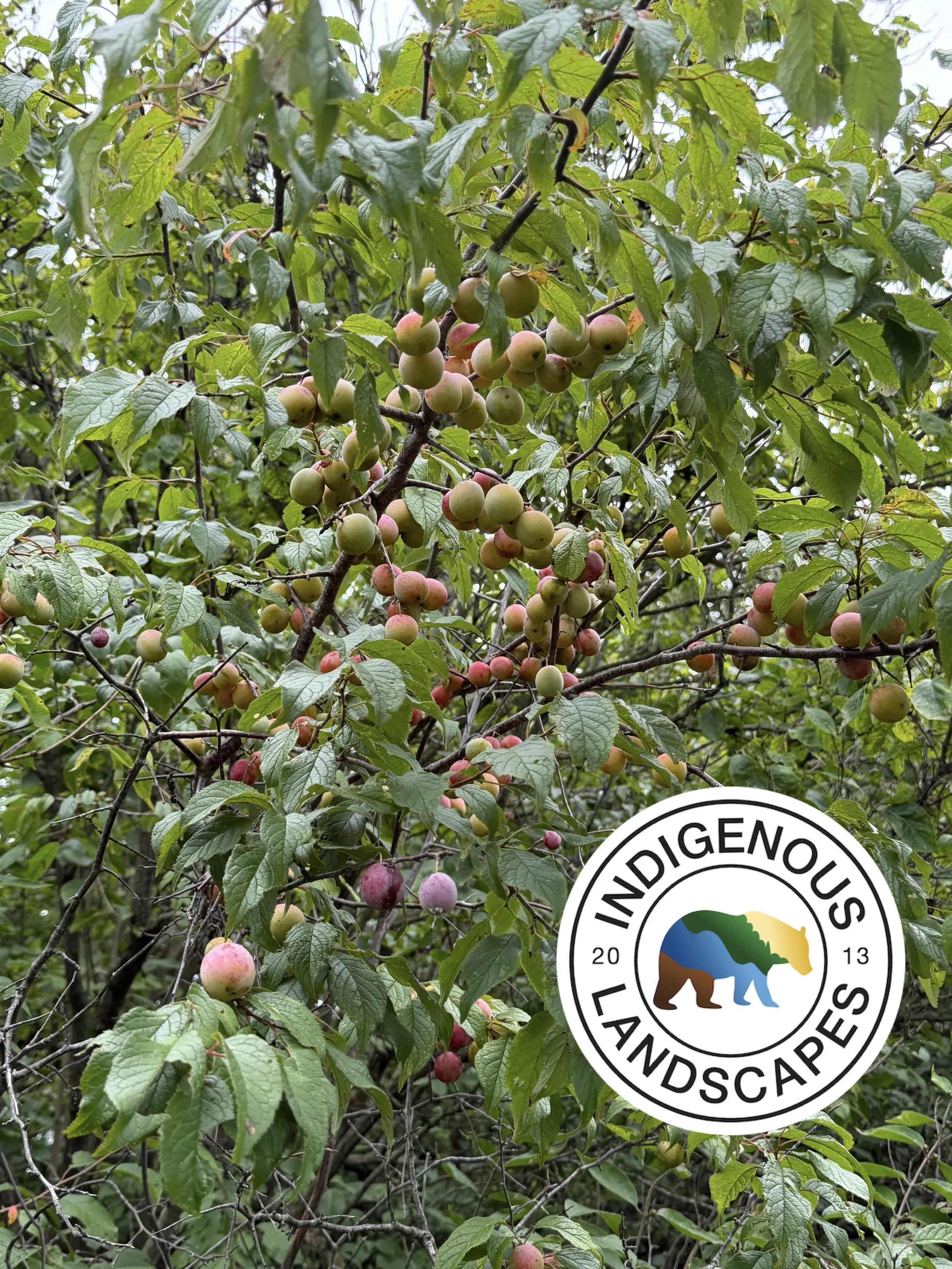
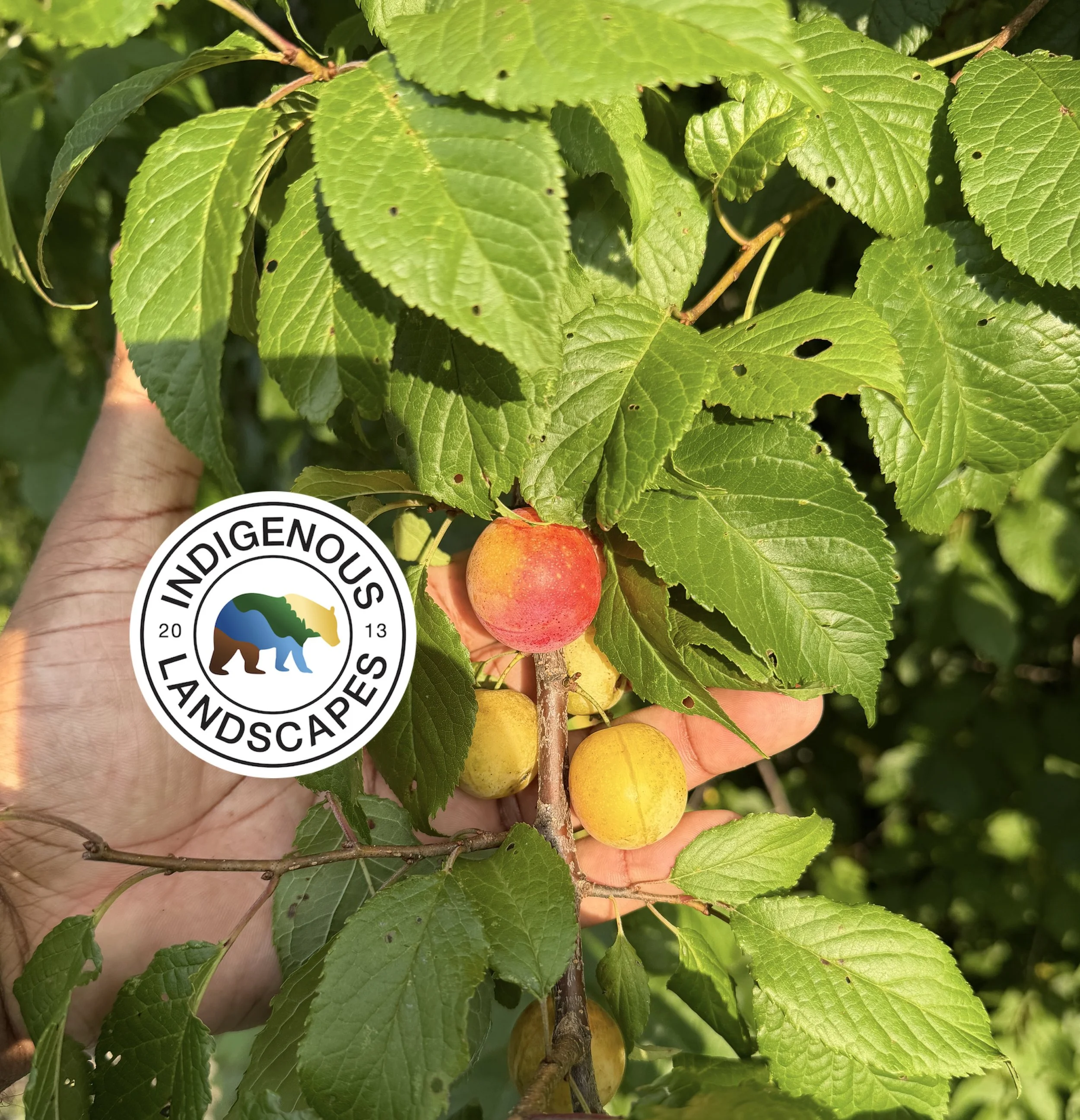
The teeth on the leaf margin of both American Plum and Mexican plum are more pointed than rounded where as other native Wild Plum species have softer more rounded teeth on their leaf margins.
Video of American Plum in fruiting stage.
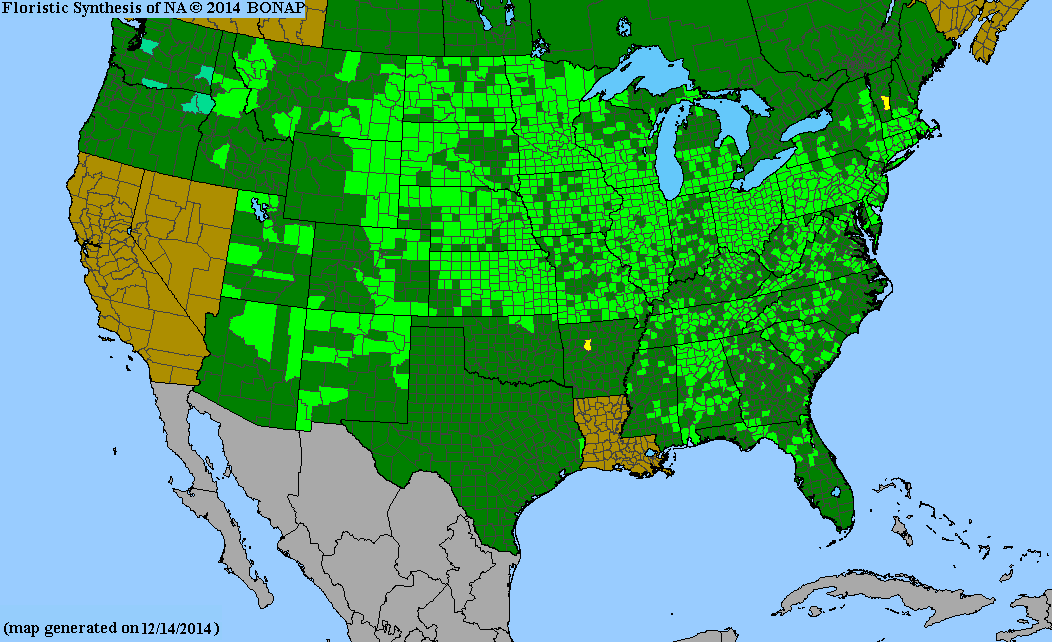
Above is the estimated native range of American Plum - Prunus americana via BONAP. These records are imperfect, so if your county is not highlighted in light green then it doesn’t necessarily mean it is not native to that county. Wild Plum records are particularly imperfect on BONAP’s maps because of the lack of common knowledge of how to identify the different wild plum species from each other.