
Wildflower Fireworks - Widely Applicable Native Seed Mix






Wildflower Fireworks - Widely Applicable Native Seed Mix
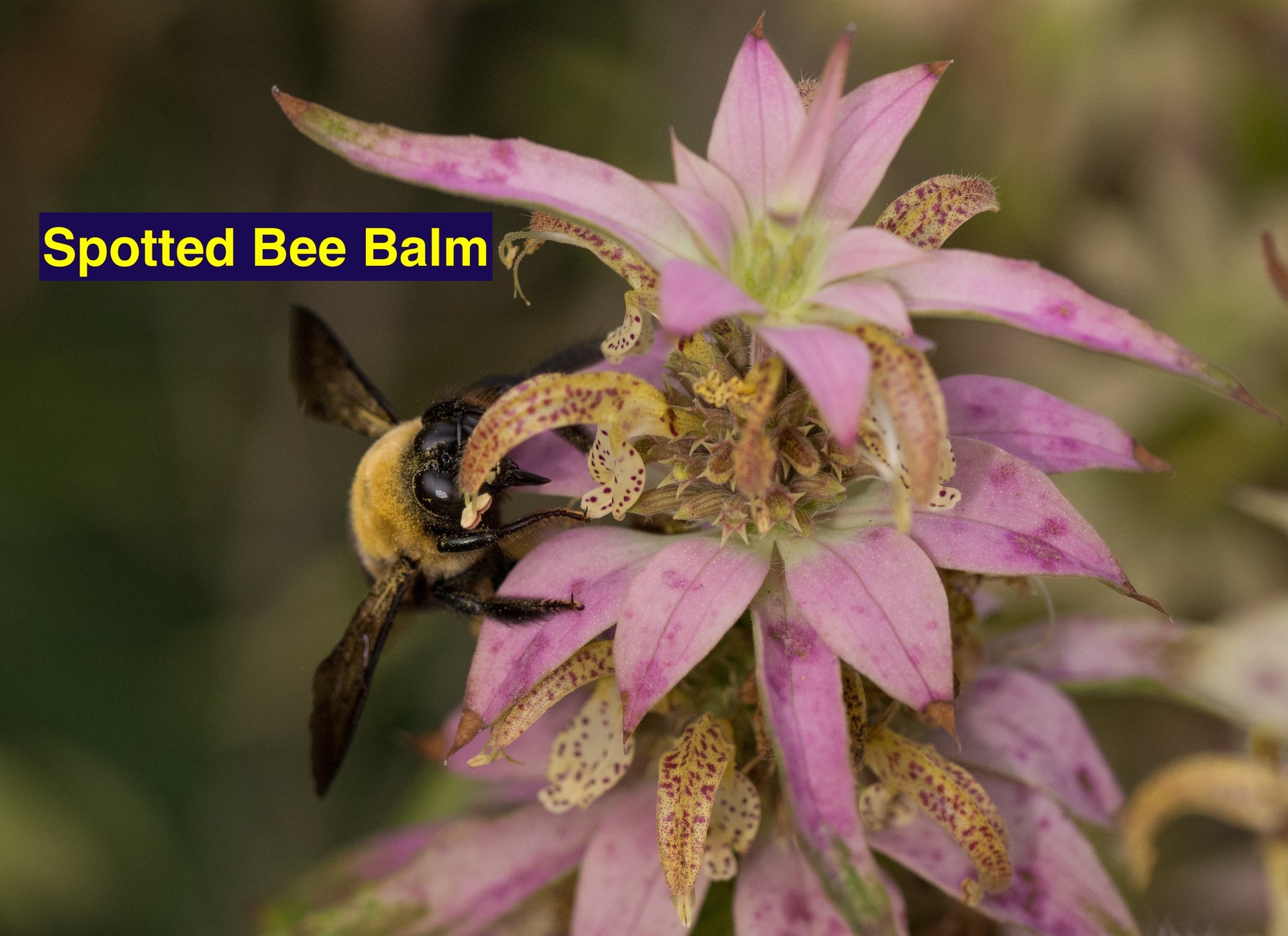
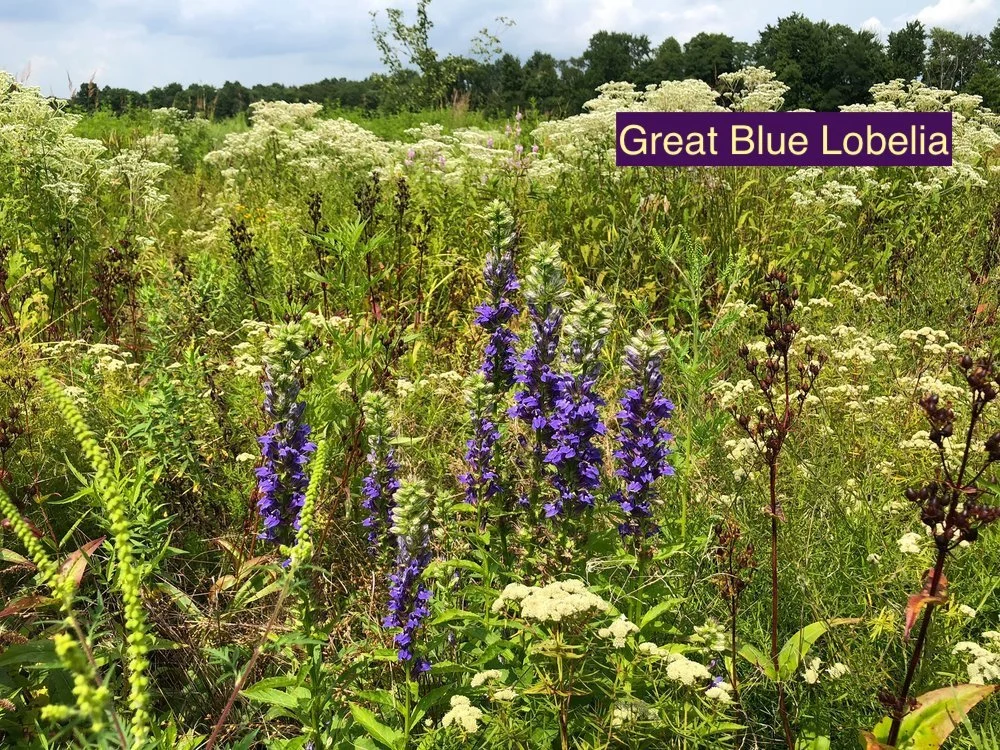
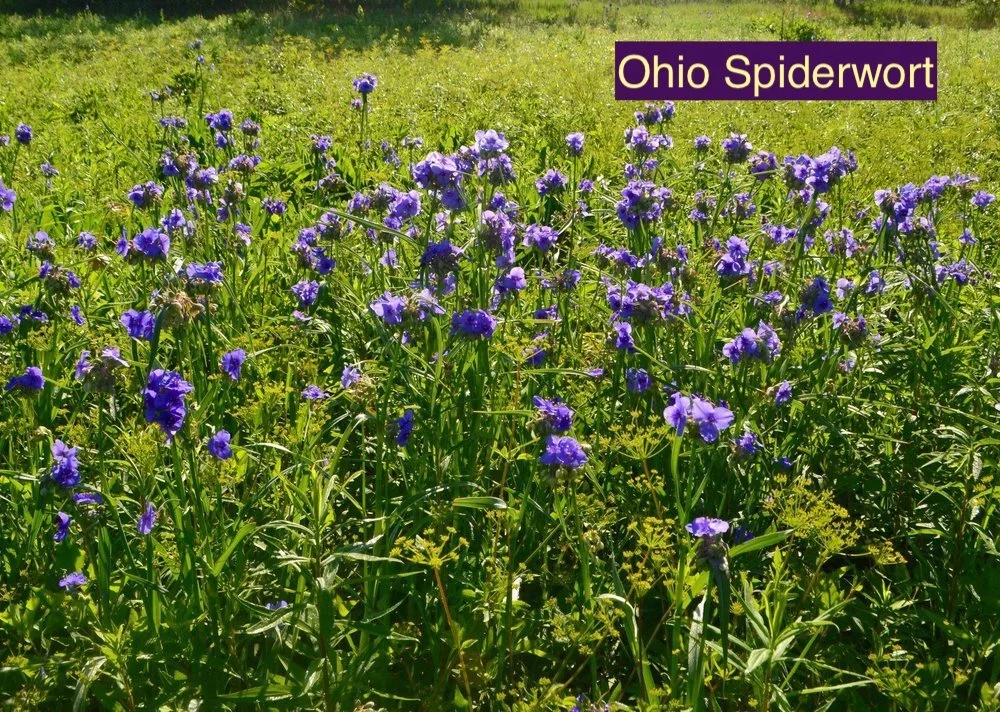
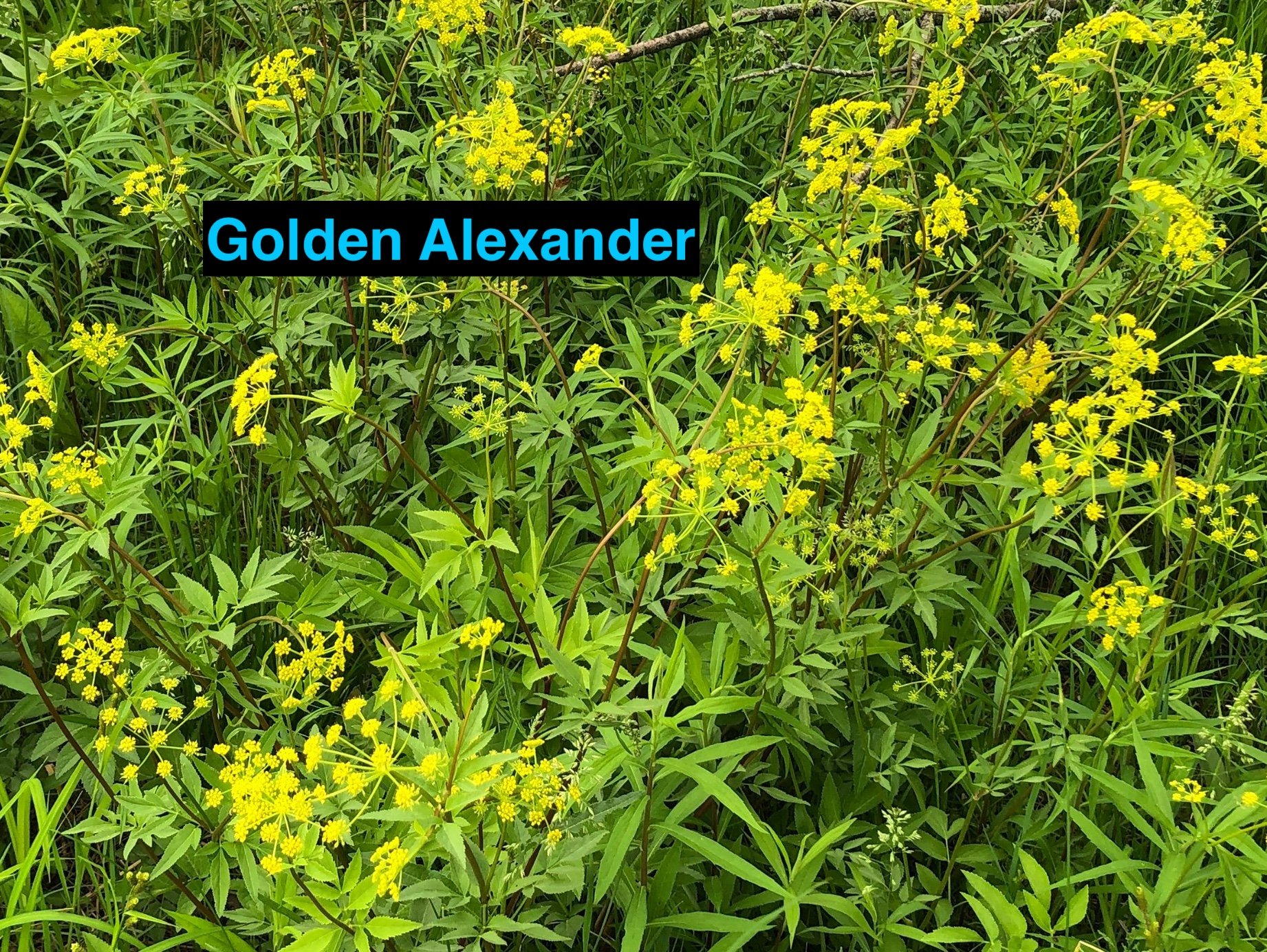
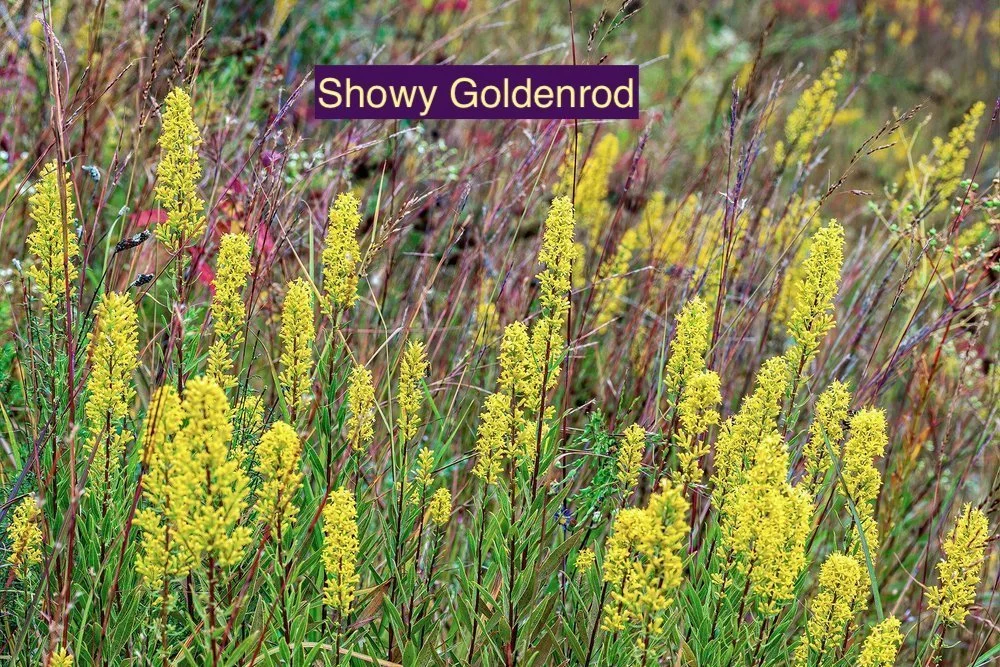
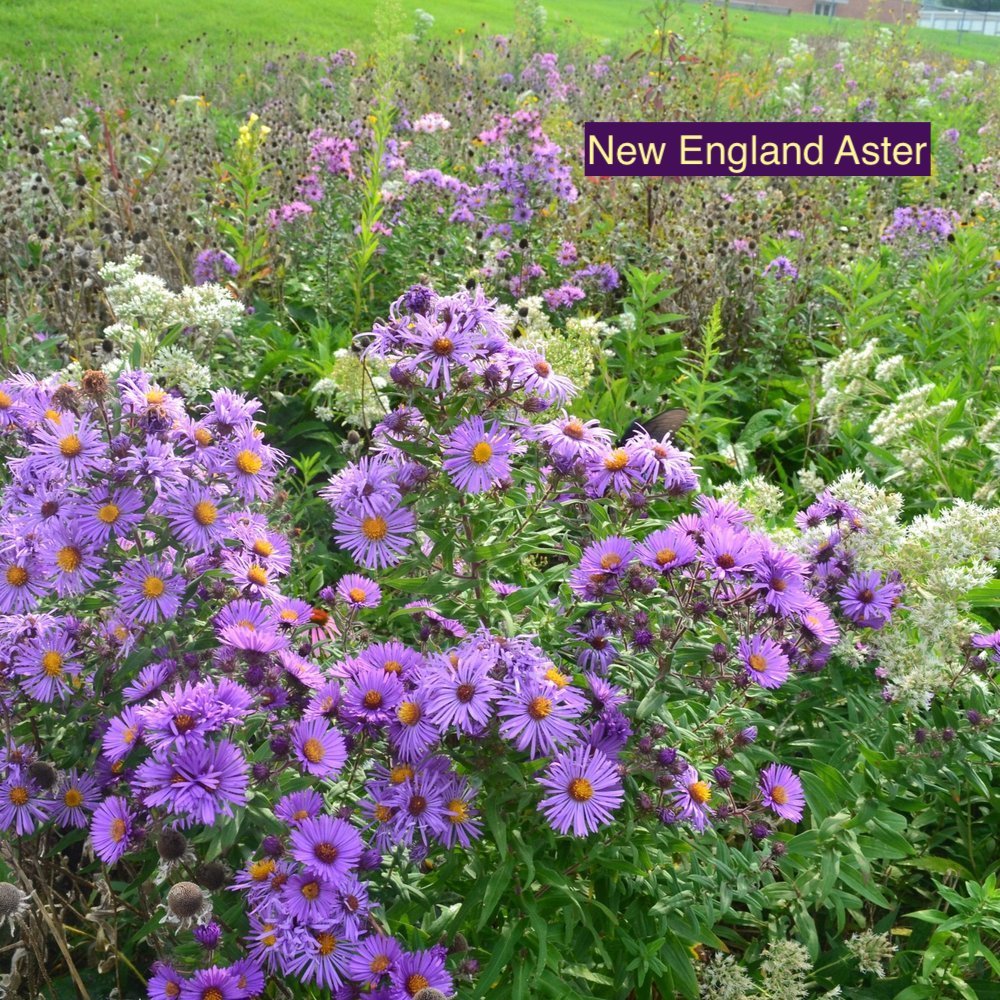
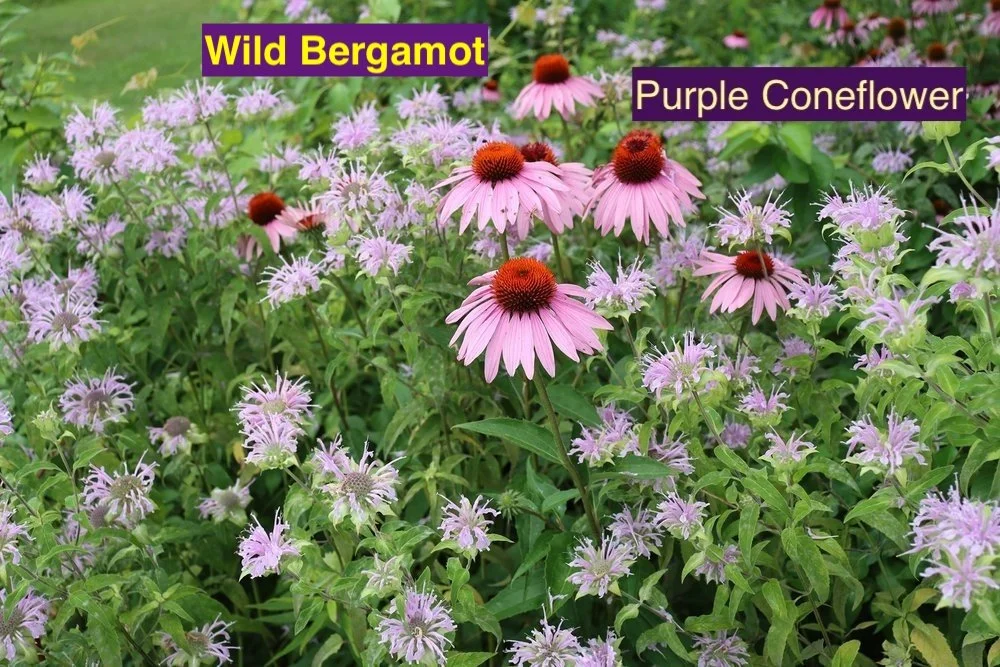
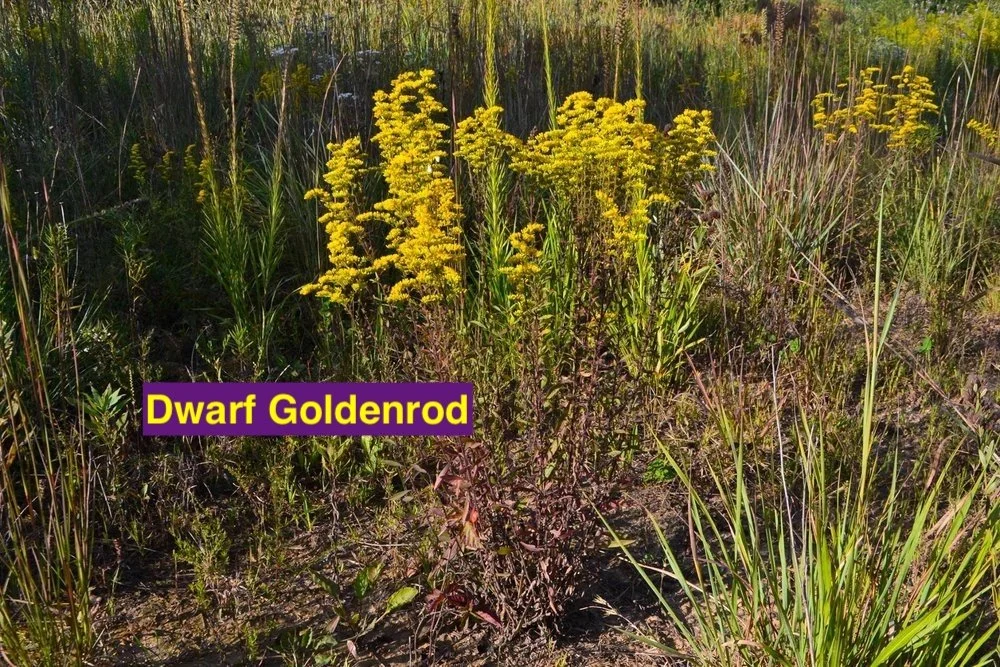
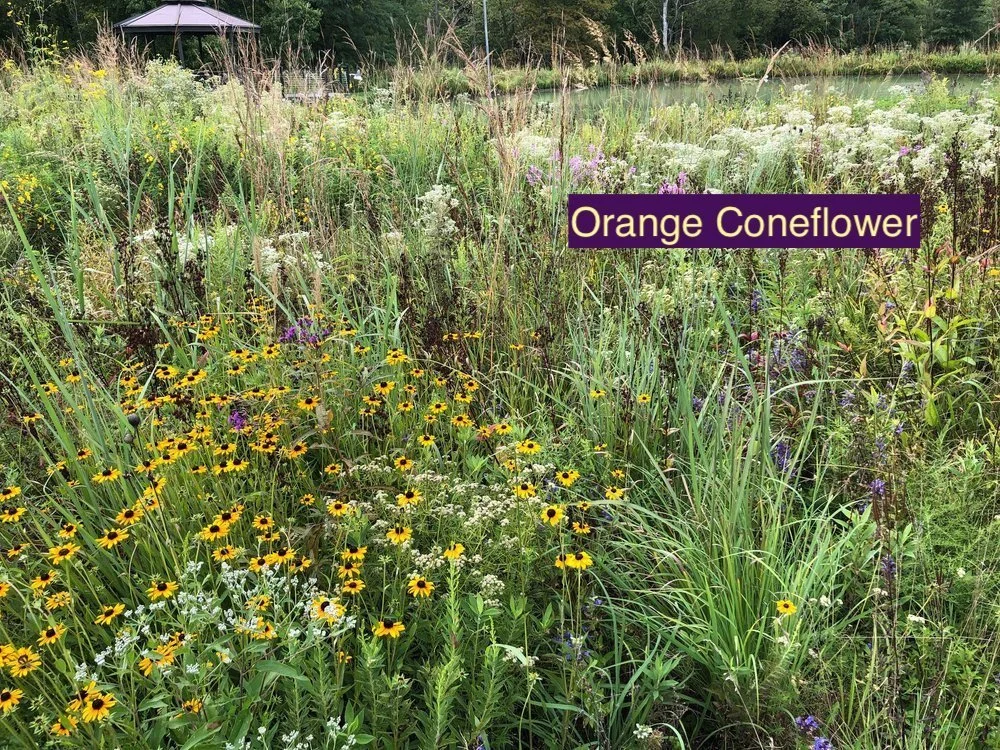
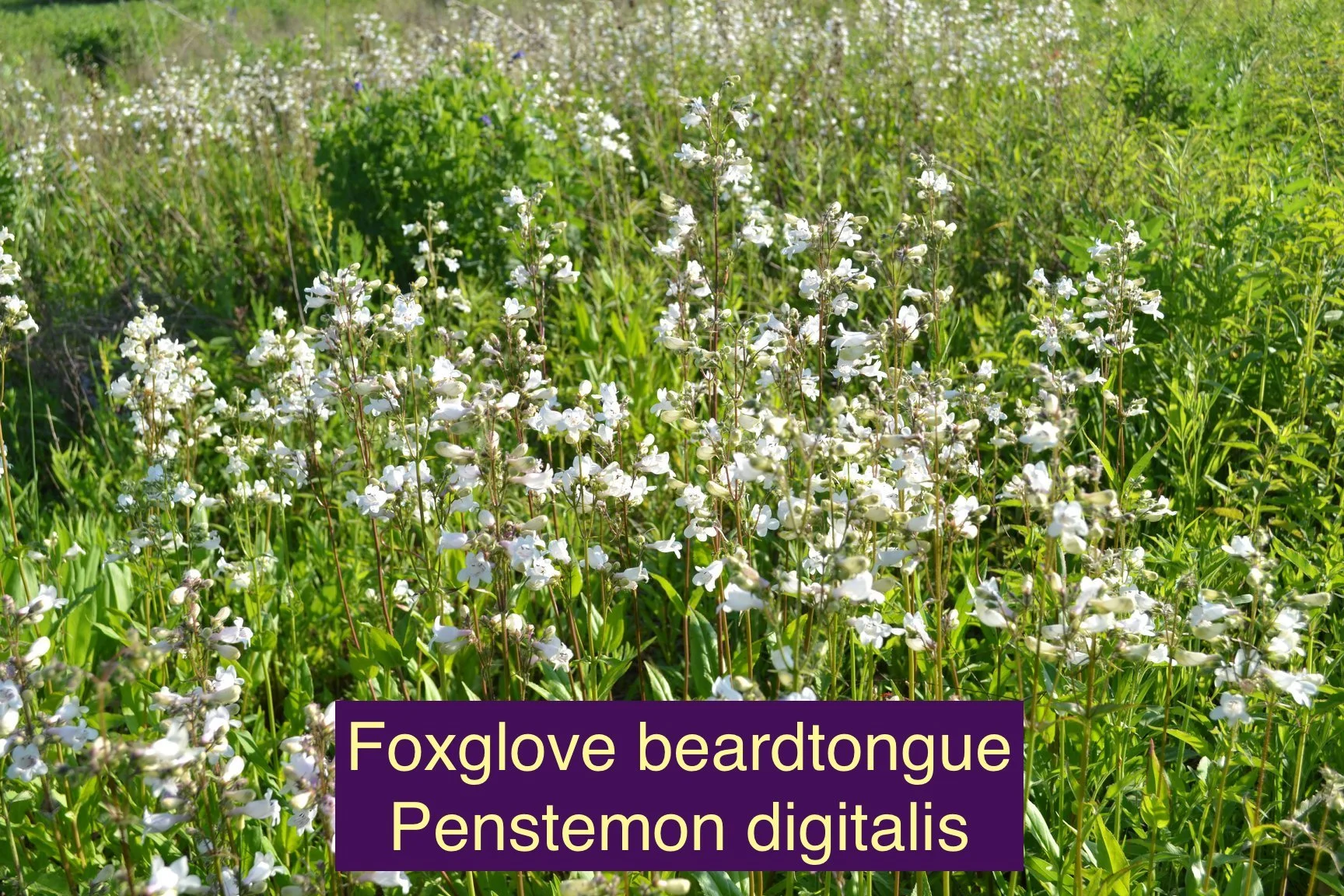
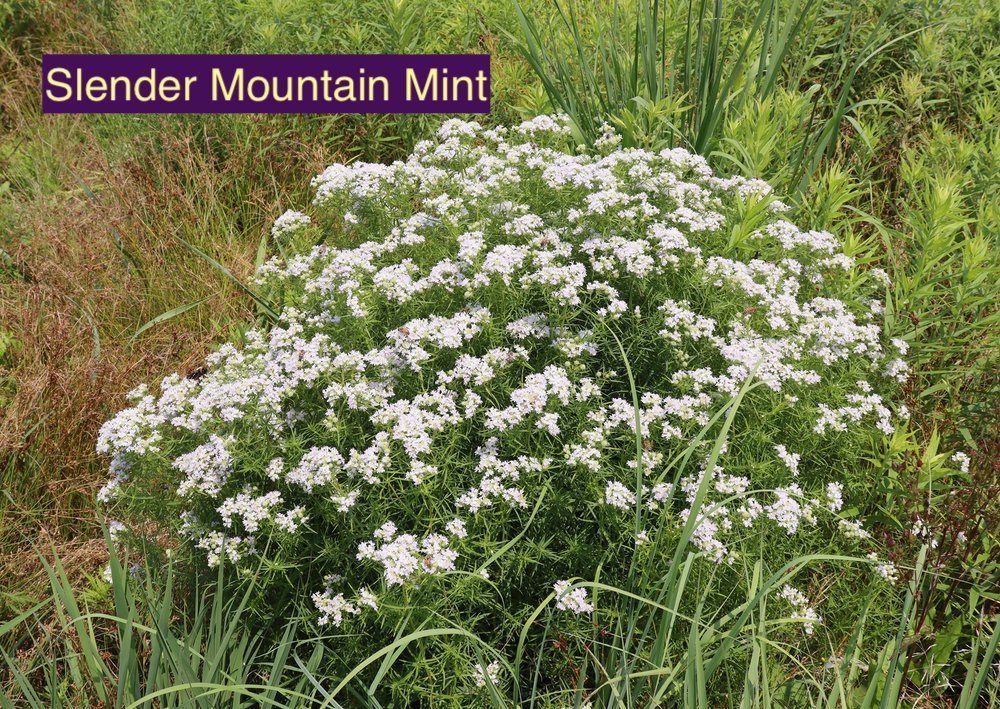
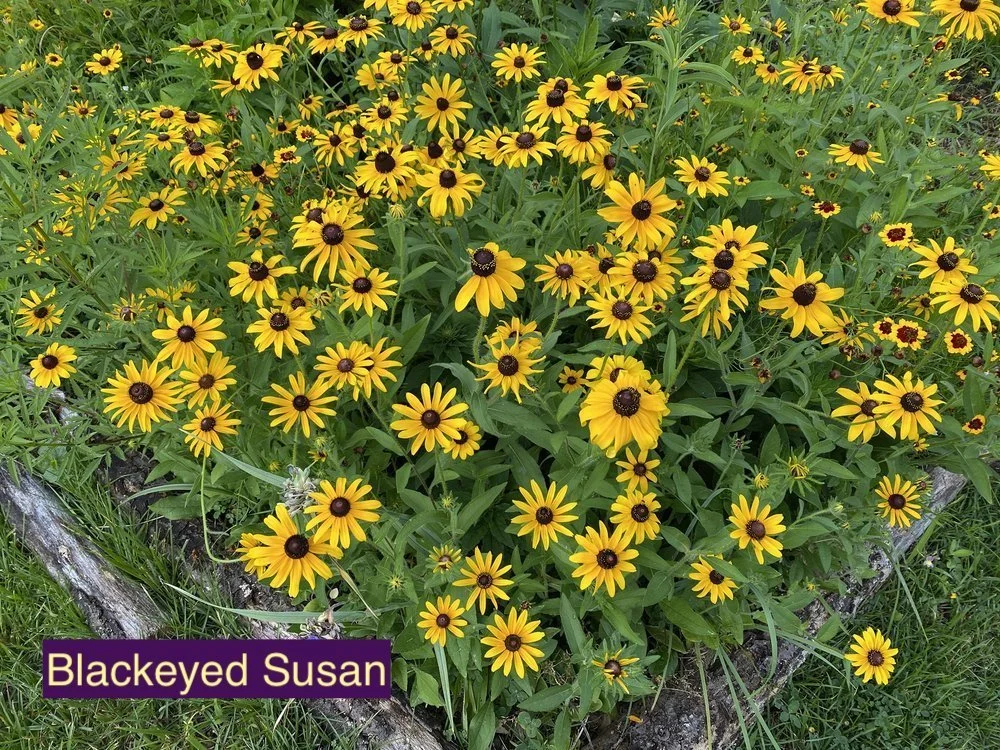
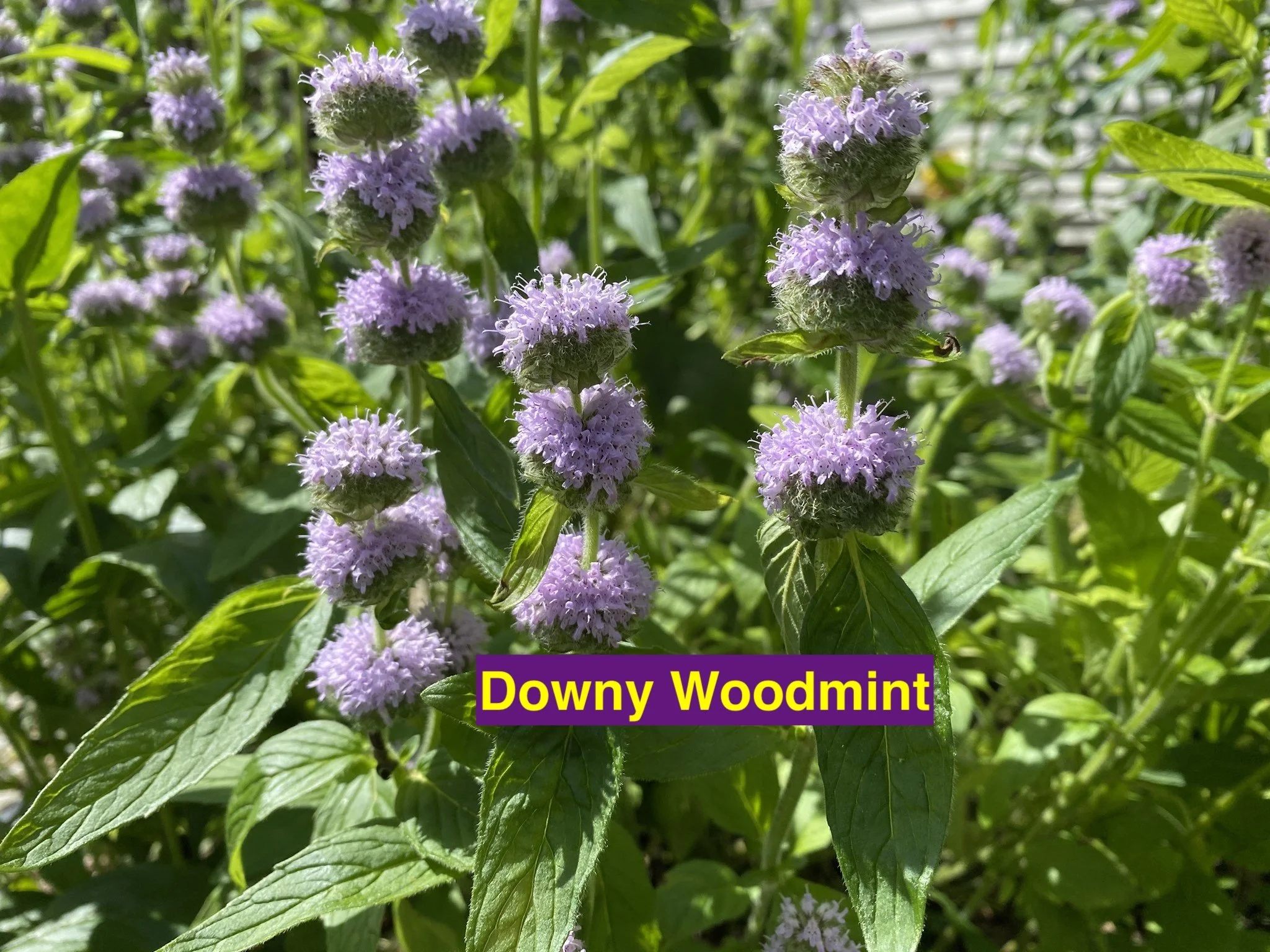
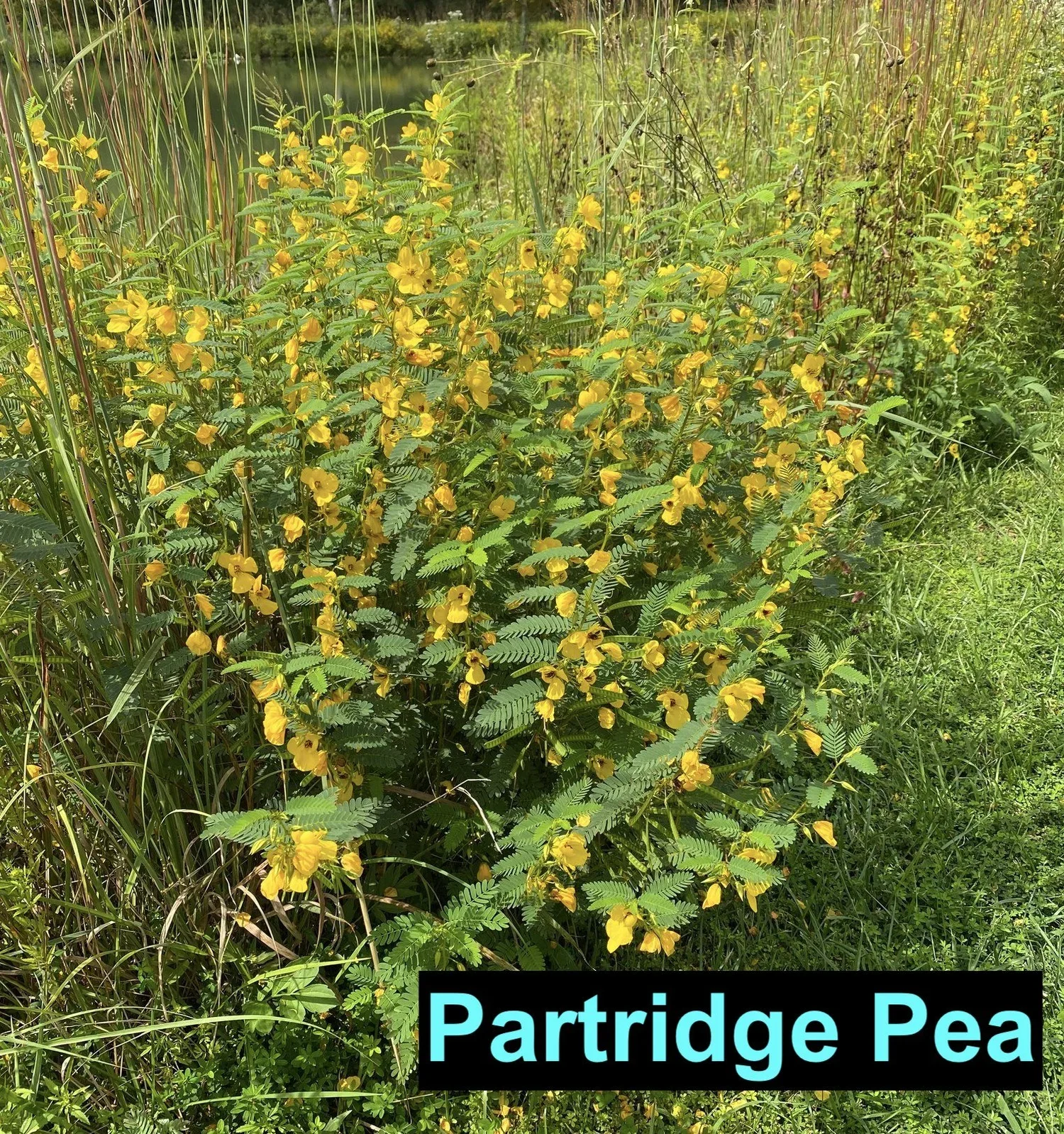
Click the Thumbnail Pictures to see pictures of each species within this seed mix.
Current Sale Prices are 10% to 23% off of our 2025 Prices
Our Wildflower Fireworks - Widely Applicable mix allows the opportunity to establish a micro-meadow, landscape bed sized mix, or up to 1/8th acre prairie with an abundance of spring through fall blooming companion plants that will co-exist long term. This specific mix concentrates wildflowers without the presence of grasses to maximize the blooming intensity - a mix that will shine from 100 feet away.
This mix stays below 4 feet in height and is best planted in areas that receive at least 4 hours of direct sunlight per day or more. This group of species is adapted to moderately dry, moderate moist, and higer moisture soils. It is applicable to silty, loamy, clayey, or sandy soil types. These species mature fairly quick, and will put on a great display of flowers just in their second year and beyond. In the first year, you will see some Black Eye Susan blooms as well. With using 18 species for this seed mix, these micro-meadows and/or landscape beds will appear more uniform than random vs. our high species mixes making them more ideal for residential settings where neighborly aesthetics are being considered.
This mix will attract Hummingbirds, and many native bee species throughout the season as well as host many other native moths and butterflies.
Native Applicability
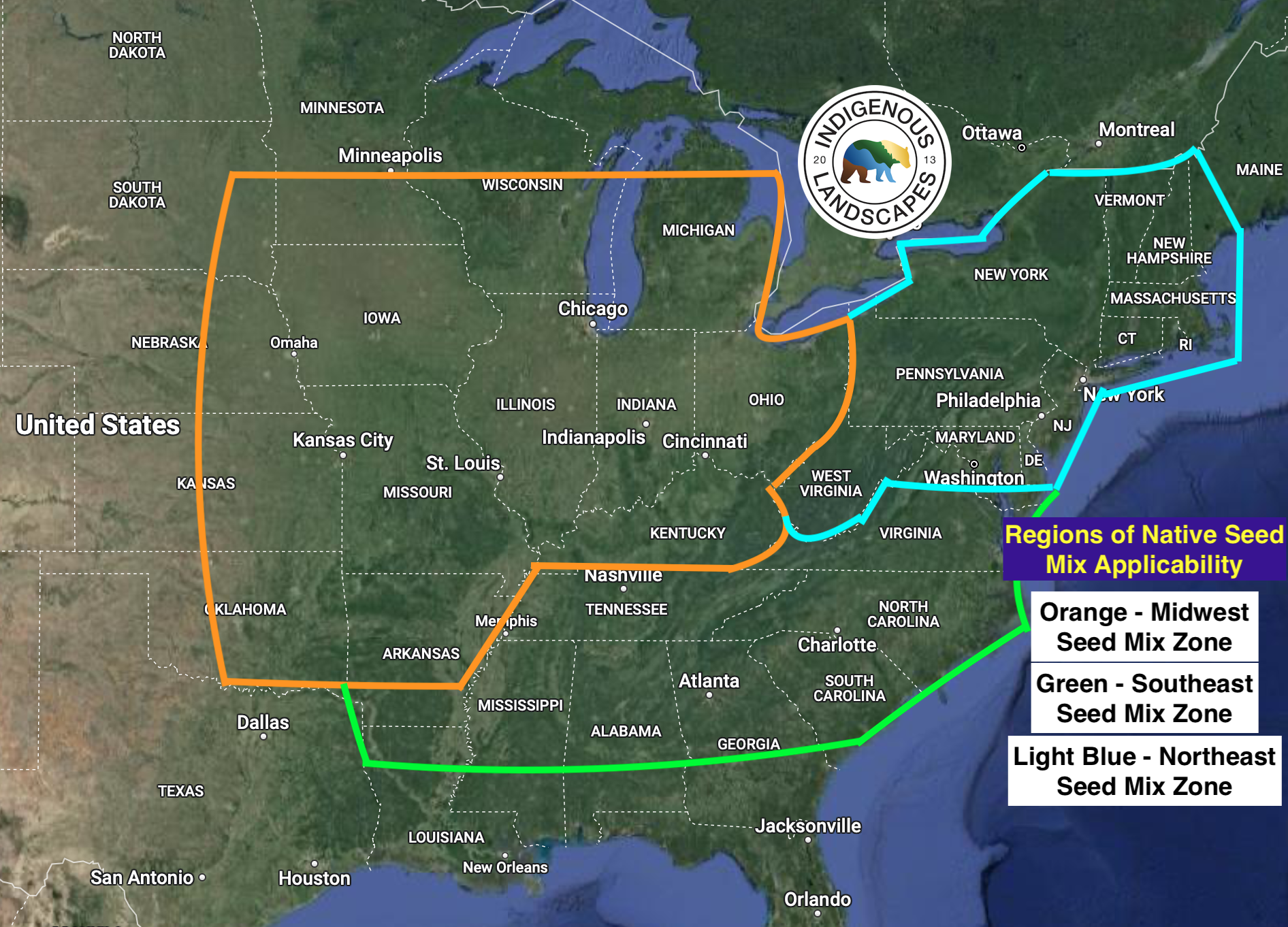
This Native Seed Mix is designed to be widely applicable throughout the Midwest, Southeast, Mid-Atlantic, and Northeastern U.S. as described in the states listed below. Purple Coneflower is the exception, not being native to some of the states on this list. Applicable States/regions: Ohio, Kentucky, Indiana, Illinois, Southern 3/4th’s of Michigan, Southern half of Wisconsin, Missouri, Kentucky, West Virginia, Virginia, Pennsylvania, Non-Costal North Carolina, Non-Costal South Carolina, Northern half of Georgia, Northern half of Alabama, Tennessee, Eastern Iowa and for Northeastern applicability see the note below.
Northeast Considerations: Purple Coneflower isn’t native to the Northeast portion of our Map. Foxglove Beardtongue isn’t native to much of the Northeast Portion of the Map. Rattlesnake Master is native to parts of the lower northeast. The seed mix is about 85% native to the Northeast.
The Seed Mix Map is the last picture in this sequence.
Species: Purple Coneflower - Echinecea Purpurea, Foxglove Beardtongue - Penstemon digitalis, Slender Mountain Mint - Pycnanthemum tenuifolium, Orange Coneflower - Rudbeckia fulgida, Dwarf Goldenrod - Solidago nemoralis, Showy Goldenrod - Solidago speciosa, Marsh Blazing Star Liatris spicata, Great Blue Lobelia - Lobelia siphilitica, Golden Alexanders - Zizia aurea, Native Yarrow Achillea millefolium, Downy Wood Mint - Blephilia cillata, New England Aster - Aster novae-angliae - Rattlesnake Master - Eryngium yuccifolium, Ohio Spiderwort Tradescantia ohiensis, Wild Bergamot - Monarda Fistulosa, Black Eyed Susan - Rudbeckia hirta, Early Sunflower Heliopsis helianthoides, Spotted Bee Balm - Monarda punctata, Partridge Pea
Cost Effectiveness
Native Prairie/Meadow Seedings cost about 1 to 11 cents per square foot where as using potted native plants to cover the same area costs $2.00 to $10.00 per square foot depending on how densely the potted plants are installed and mulch use. For example; a 1,000 Square foot pollinator garden would require at least 750 potted native wildflowers/grasses to cover the plot effectively. Potted Plants can cost $2 to $10 per plant, and at a cost of $5.00 per plant, 750 wildflowers/grasses would cost $3,750 + installation costs and mulching costs. If that 1,000 square feet were instead seeded with one of our mixes it would cost $107, and you could do the installation yourself simply: using our instruction manual. The cost effectiveness ratio increases even higher the larger of plot you are seeding vs. planting with plugs or potted plants - for 1/8th acre or larger the cost per square foot is only 2 cents where as the smaller 1,000 and 2,000 square foot portions are around 11 cents per square foot compared to the $3.75 per square foot cost of potted plants. Maintenance is easier and weed invasion resistance is much better with seeding projects vs. potted plant landscapes due to the density of native seedings repelling and blocking out weed competition as the plot matures.
Current Sale Prices are 10% to 23% off of our 2025 Prices
1,000 square feet - $130 - Sale price is $107
2,000 square feet - $165 - Sale price is $135
5,445 square feet (1/8th acre) - $240 - Sale price is $175
0% interest payment plan available through Klarna during checkout.
If you’re buying this seed mix for fall of 2026 application; store it in the fridge until you’re ready to seed it.